Introduction
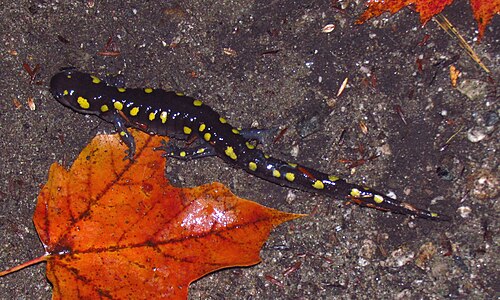
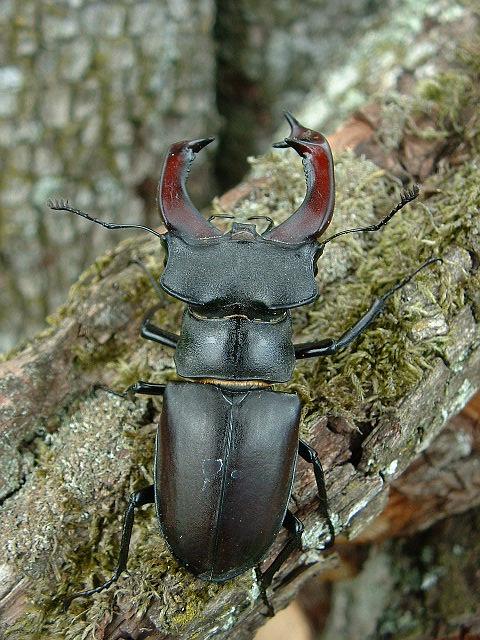
When an old tree falls in the forest, its story is just beginning! Beneath a rotting log lies a dark, damp teeming with decomposers and predators—including spotted salamanders, stag beetles, pill bugs (roly-polies), millipedes, earthworms, and fungi.
An important word to know in this book is (dee-kuhm-POH-zer). Decomposer means: An organism like a fungus, beetle, or worm that breaks down dead plants and recycles nutrients into soil. Learning about Decomposer helps us understand how Life Under a Log fits into Animal Habitats.
Key Features
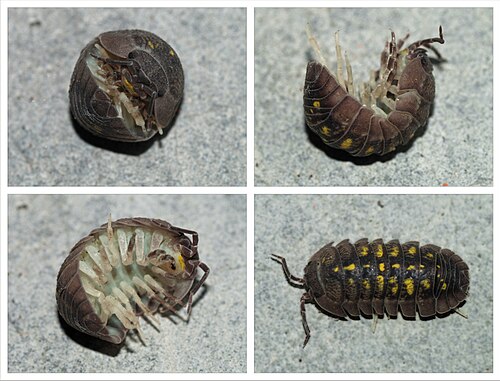
Rotting wood holds moisture like a sponge and stays cool in summer and frost-free in winter. Pill bugs are actually land-dwelling crustaceans that breathe through gill-like structures and roll into tight armored balls when touched.
Scientists and explorers also look closely at (my-kroh-HAB-uh-tat), which means: A small, specialized living space with its own moisture and temperature, such as the underside of a log. These special traits make Life Under a Log easy to spot and study.
How It Works
Decomposers work like nature’s recycling crew. Bracket fungi and bacteria release enzymes that soften tough wood fibers (cellulose and lignin). Bark beetles, termites, and millipedes chew the decaying wood into rich dark that fertilizes new forest plants.
Here is another helpful term: (HYOO-muhs). It means: Dark, nutrient-rich organic matter in soil formed when dead leaves and wood decay. Step by step, and Humus work together in nature.
In Our World
Logs on forest floors around the world—from Virginia’s Shenandoah mountains to Pacific Northwest temperate rainforests—act as "nurse logs" where new tree seedlings sprout right out of the mossy decaying trunk.
Understanding how Life Under a Log works in our world also involves (my-kroh-HAB-uh-tat): A small, specialized living space with its own moisture and temperature, such as the underside of a log. Even when the surrounding forest experiences hot summer afternoons or dry spells, the sheltered space beneath the bark traps moisture and protects sensitive creatures from drying out or freezing.
Amazing Facts
Amazing Fact #1: Roly-polies (pill bugs) are not insects at all—they are terrestrial crustaceans closely related to shrimp and lobsters!
Amazing Fact #2: Spotted salamanders hide under damp logs so their thin, moist skin can breathe oxygen right from the air.
Amazing Fact #3: A single fallen oak log can take 30 to 50 years to decompose completely, feeding thousands of creatures along the way.
Read & Review
Let's review what we discovered about Life Under a Log! In this book, we explored how , , and connect to Animal Habitats.
Key Question #1: What kind of animal is a pill bug (roly-poly) that lives under damp logs? Answer: A land-living crustacean related to shrimp. Pill bugs are isopod crustaceans that need damp microhabitats because they breathe with gill-like organs.
Key Question #2: How do decomposers under a log help the forest? Answer: They break down dead wood into nutrient-rich soil for new plants. Decomposers recycle carbon and minerals back into the forest soil.