Introduction
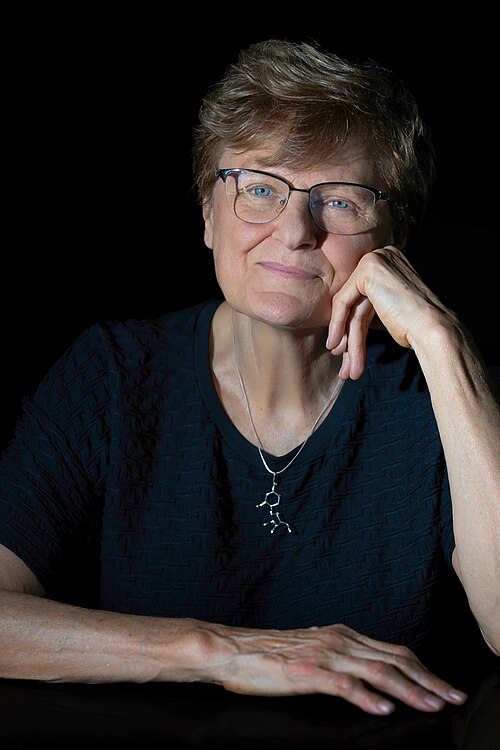
For nearly 40 years, Hungarian-born biochemist Dr. Katalin Karikó (born 1955) believed that a fragile molecule inside every living cell—messenger RNA (mRNA)—could be used to teach the human body how to heal itself and fight off dangerous viruses. Even when grant committees rejected her proposals year after year, when critics said mRNA was too unstable to ever work, and when her university demoted her and cut her pay, Karikó never gave up! In 2023, her breakthrough with immunologist Dr. Drew Weissman won the Nobel Prize in Physiology or Medicine after saving millions of lives around the globe!
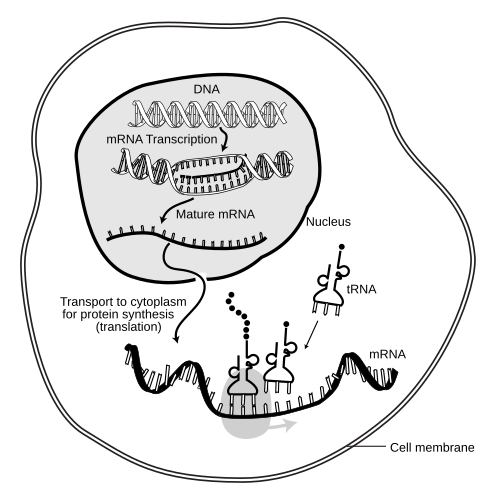
An important word to know in this book is mRNA (Messenger RNA) (MES-uhn-jer ahr-en-AY). mRNA (Messenger RNA) means: A single-stranded molecule inside living cells that carries a temporary genetic "recipe" from DNA to the cell’s ribosomes to build a specific protein. Learning about mRNA (Messenger RNA) helps us understand how Katalin Karikó: The Scientist Who Never Gave Up on mRNA fits into 🔬 Modern Science, Nature & Public Intellectuals.
Key Features
Born on January 17, 1955, and raised in the small town of Kisújszállás, Hungary, in a tiny single-room reed-roofed adobe house with no running water, no refrigerator, and no television, young Katalin watched her father (a village butcher) work and became fascinated by how living organs and biology function. Excelling in national biology competitions, she earned her bachelor’s degree (1978) and PhD in (1982) at the University of Szeged, where she began researching synthetic RNA at the Biological Research Centre.
Scientists and explorers also look closely at (by-oh-KEM-ih-stree), which means: The branch of science that explores the chemical molecules and reactions—such as DNA, RNA, proteins, and enzymes—that make living cells work. These special traits make Katalin Karikó: The Scientist Who Never Gave Up on mRNA easy to spot and study.
How It Works
When her Hungarian lab lost funding in 1985, Karikó, her husband Béla Francia, and their two-year-old daughter Susan Francia (who later grew up to win two Olympic Gold Medals for the USA in women’s rowing in 2008 and 2012!) moved to Philadelphia with their entire life savings—£900 sewn inside little Susan’s teddy bear! At the University of Pennsylvania, Karikó spent the 1990s trying to solve a big mystery: why did synthetic mRNA (the temporary "recipe card" cells read from DNA to build proteins) trigger a harsh inflammatory immune reaction when injected? In 1997, she met Penn immunologist Dr. Drew Weissman by chance while waiting her turn at a hallway photocopy machine! Working together, they discovered in 2005 that swapping one tiny chemical building block of mRNA (uridine for a natural cousin called pseudouridine) allowed mRNA to slip safely into cells undetected and produce protective proteins!
Here is another helpful term: (soo-doh-YOOR-ih-deen). It means: Karikó and Weissman’s 2005 Nobel Prize–winning discovery that replacing uridine with pseudouridine in synthetic mRNA prevents harmful inflammation and boosts protein production. Step by step, mRNA (Messenger RNA) and Pseudouridine Modification work together in nature.
In Our World
When the global COVID-19 pandemic struck in 2020, Karikó and Weissman’s 2005 nucleoside-modified mRNA discovery—combined with protective lipid nanoparticles and her work at BioNTech—allowed scientists to design safe, effective mRNA vaccines in record time (under 11 months instead of the usual 10 years!), protecting billions of people! Today, researchers are using Karikó’s mRNA technology to develop new treatments for malaria, heart repair, rare genetic disorders, and personalized cancer vaccines!
Understanding how Katalin Karikó: The Scientist Who Never Gave Up on mRNA works in our world also involves (by-oh-KEM-ih-stree): The branch of science that explores the chemical molecules and reactions—such as DNA, RNA, proteins, and enzymes—that make living cells work. Even when surrounding conditions shift across seasons or regions, the interaction between mRNA (Messenger RNA), Biochemistry, and helps sustain balance and resilience in the wider environment.
Amazing Facts
Amazing Fact #1: When Katalin Karikó, her husband, and their two-year-old daughter moved from Hungary to Philadelphia in 1985 to pursue her RNA research, they sold their family car and sewed their entire $1,200 (£900) life savings inside their toddler’s teddy bear!
Amazing Fact #2: How did Nobel Prize winners Katalin Karikó and Drew Weissman first start talking at the University of Pennsylvania in 1997? They were both standing at the departmental photocopy machine copying scientific journals and started chatting about their research!
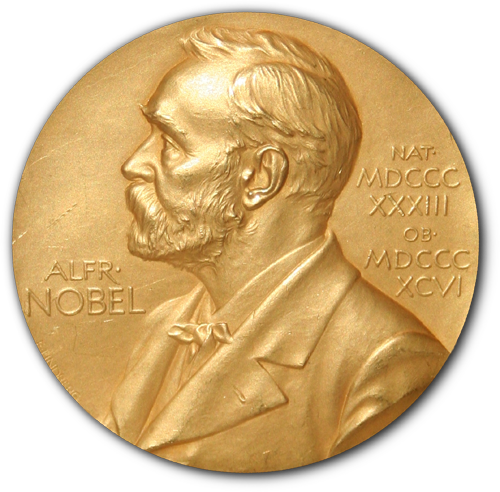
Amazing Fact #3: The Karikó family has two world-famous gold medals in the house: Katalin won the 2023 Nobel Prize gold medal in Medicine, while her daughter Susan Francia won two Olympic Gold Medals rowing in the USA women’s eight boat at the 2008 Beijing and 2012 London Olympics!
Read & Review
Let's review what we discovered about Katalin Karikó: The Scientist Who Never Gave Up on mRNA! In this book, we explored how mRNA (Messenger RNA), , and connect to 🔬 Modern Science, Nature & Public Intellectuals.
Key Question #1: In the biology of a living cell, if DNA is like a giant master cookbook kept inside the cell’s nucleus, what is messenger RNA (mRNA)? Answer: A temporary "recipe card" that carries instructions to the cell’s protein factories (ribosomes) to build one specific helpful protein, then harmlessly breaks down. mRNA delivers a temporary protein-making recipe to the cell’s ribosomes without ever entering or altering the cell’s DNA.
Key Question #2: Where at the University of Pennsylvania did Dr. Katalin Karikó and immunologist Dr. Drew Weissman meet by chance in 1997, launching their Nobel Prize–winning partnership? Answer: Waiting in line at the hallway photocopy machine while copying research articles. While taking turns at the departmental photocopier, Karikó told Weissman she could synthesize any RNA molecule he needed for vaccine research.