Introduction
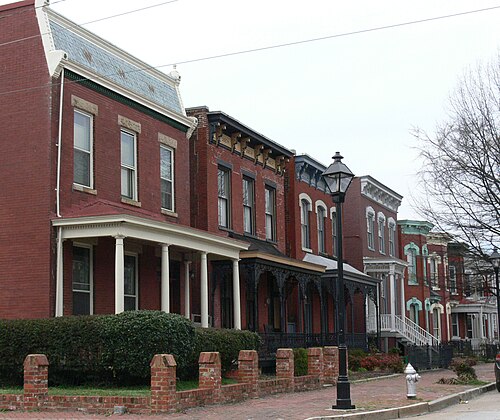
Stroll down the red-brick sidewalks of Historic Jackson Ward in downtown Richmond, Virginia—past ornate Victorian townhouses trimmed with intricate cast-iron lace porches and the neon marquee of the Hippodrome Theater—and you are walking through the heart of a National Historic Landmark district celebrated around the world as "The Birthplace of Black Capitalism," "The of America," and "The Harlem of the South"!
An important word to know in this book is (MAG-ee LEE-nuh WAW-ker). Maggie Lena Walker means: The pioneering Richmond civil rights leader and businesswoman who in 1903 became the first African American woman in the U.S. to and serve as its president. Learning about Maggie Lena Walker helps us understand how Jackson Ward & Maggie L. Walker: Richmond's fits into 🗽 Freedom's Fortress, Black Wall Street & Shenandoah Wonders.
Key Features
In the late 1800s and early 1900s, when unjust Jim Crow segregation laws barred African Americans in Virginia from white-owned banks, insurance companies, stores, hospitals, and theaters, the residents of Jackson Ward responded with extraordinary entrepreneurship, unity, and mutual aid! Within a 42-block neighborhood along 2nd Street ("The Deuce") and Leigh Street, African American pioneers founded multiple banks, five insurance companies, hundreds of thriving businesses, churches, newspapers (The Richmond Planet), medical practices, and fraternal societies!
Scientists and explorers also look closely at (blak wawl street), which means: The nickname earned by Richmond’s Jackson Ward neighborhood (along with Durham, NC and Tulsa, OK) as a national powerhouse of African American banking, insurance, and business. These special traits make Jackson Ward & Maggie L. Walker: Richmond's Black Wall Street easy to spot and study.
How It Works
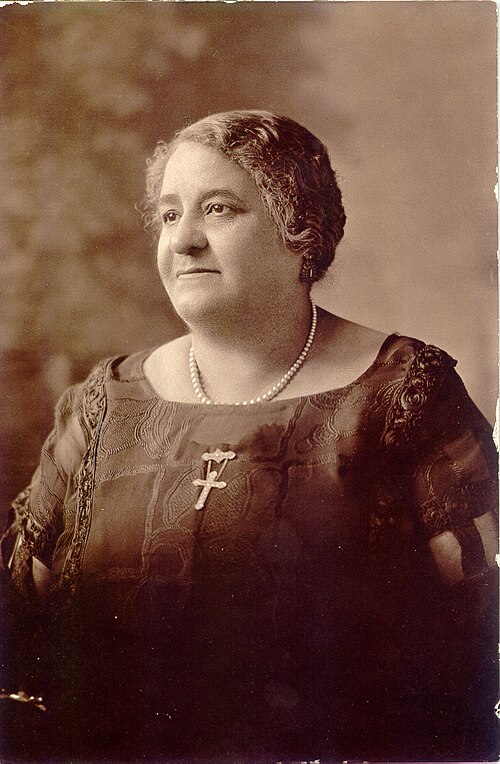
Towering above them all as Jackson Ward’s guiding visionary was (1864–1934)! Born in Richmond at the end of the Civil War to a formerly enslaved mother, Elizabeth Draper Mitchell, young Maggie helped her widowed mother deliver clean laundry to customers across the city—seeing firsthand how hard Black women worked and how badly families needed financial security. Joining a mutual-aid society called the Independent Order of St. Luke, Maggie Walker rose to become its Right Worthy Grand Secretary in 1899 and declared at a 1901 convention: "Let us put our moneys together; let us use our moneys; let us put our money out at usury among ourselves, and reap the benefit ourselves. Let us have a bank that will take the nickels and turn them into dollars!"
Here is another helpful term: (CHAR-ter uh bangk). It means: To obtain an official state or federal legal license to found and operate a financial bank that accepts deposits and makes home and business loans. Step by step, and Charter a Bank work together in nature.
In Our World
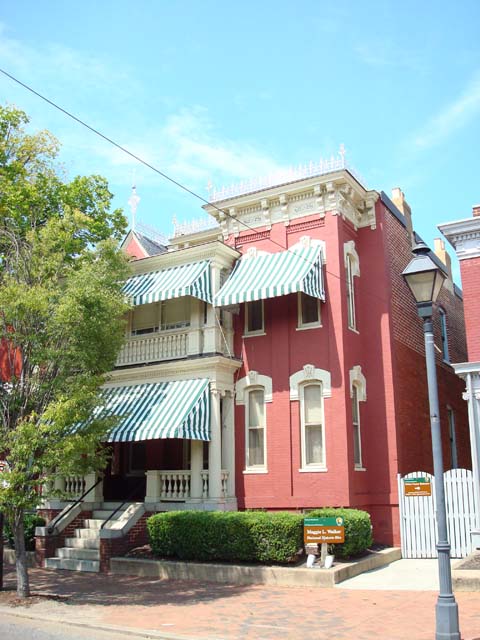
In 1903, made history as the FIRST African American woman in the United States to and serve as its president—opening the St. Luke Penny Savings Bank in Jackson Ward! On opening day alone, neighbors stood in line to deposit over $9,000—and she gave children small cardboard coin boxes encouraging kids to save their pennies! She also founded a newspaper (The St. Luke Herald) and the St. Luke Emporium department store on Broad Street that employed Black saleswomen, AND survived paralysis in her later years by modifying her 28-room brick home at 110½ East Leigh Street with an indoor elevator and wheelchair-adapted automobile! Even during the Great Depression of the 1930s when thousands of banks collapsed nationwide, Maggie Walker’s bank merged into the Consolidated Bank and Trust Company and survived for over a century as the oldest continually African American-operated bank in the United States! Today, rangers lead tours of the Maggie L. Walker National Historic Site in Jackson Ward!
Understanding how Jackson Ward & Maggie L. Walker: Richmond's works in our world also involves Black Wall Street (blak wawl street): The nickname earned by Richmond’s Jackson Ward neighborhood (along with Durham, NC and Tulsa, OK) as a national powerhouse of African American banking, insurance, and business. Even when surrounding conditions shift across seasons or regions, the interaction between , Black Wall Street, and helps sustain balance and resilience in the wider environment.
Amazing Facts
Amazing Fact #1: In 1903, became the FIRST African American woman (and one of the first women of any race!) in U.S. history to and serve as its bank president!
Amazing Fact #2: Why was it called the St. Luke Penny Savings Bank? Because Maggie Walker wanted even elementary school children and low-wage workers to know they could open a real savings account starting with just pennies and nickels—helping over 645 Black families buy their own homes by 1920!
Amazing Fact #3: Jackson Ward was also called "The Harlem of the South" because legends like tap-dancing superstar Bill "Bojangles" Robinson (who grew up in Jackson Ward!), Ella Fitzgerald, Duke Ellington, Louis Armstrong, and Cab Calloway performed along 2nd Street at the Hippodrome Theater!
Read & Review
Let's review what we discovered about Jackson Ward & Maggie L. Walker: Richmond's ! In this book, we explored how , Black Wall Street, and connect to 🗽 Freedom's Fortress, Black Wall Street & Shenandoah Wonders.
Key Question #1: What historic American milestone did achieve in Richmond’s Jackson Ward in 1903? Answer: She became the first African American woman in the United States to and serve as its president (the St. Luke Penny Savings Bank). By chartering the St. Luke Penny Savings Bank in 1903, Maggie Walker broke both racial and gender barriers in American finance.
Key Question #2: Why did Richmond’s Jackson Ward neighborhood become known across the country as BOTH "The of America" and "The Harlem of the South"? Answer: It was home to thriving Black-owned banks, insurance firms, and hundreds of businesses ("Black Wall Street") AND a legendary arts district where Ella Fitzgerald, Duke Ellington, and hometown star Bill "Bojangles" Robinson performed at the Hippodrome Theater ("Harlem of the South"). Jackson Ward combined economic self-reliance in banking and commerce with world-class jazz, theater, and civic activism.