Introduction
Following the March 11, 2011 Great East Japan Earthquake and in the Tohoku region, the United States Armed Forces launched Operation —choosing the Japanese word for "Friends" to honor the bond between the American and Japanese people.
A foundational concept in this investigation is (pronounced toh-moh-DAH-chee), which refers to: The Japanese word for "Friend" or "Friends," chosen as the name for the 2011 U.S. humanitarian relief mission in Japan. Every part of Operation Tomodachi ("Friends"): Japan Relief (2011) within 🎖️ Service Members in Uniform & Hearts of Service Humanitarian Missions builds upon this essential concept.
In Grade 3 United States Armed Forces studies (🎖️ Service Members in Uniform & Hearts of Service Humanitarian Missions), understanding how , , and work together helps explain real-world patterns. As you read each chapter, notice how these key terms connect structure, process, and environment.
Key Features
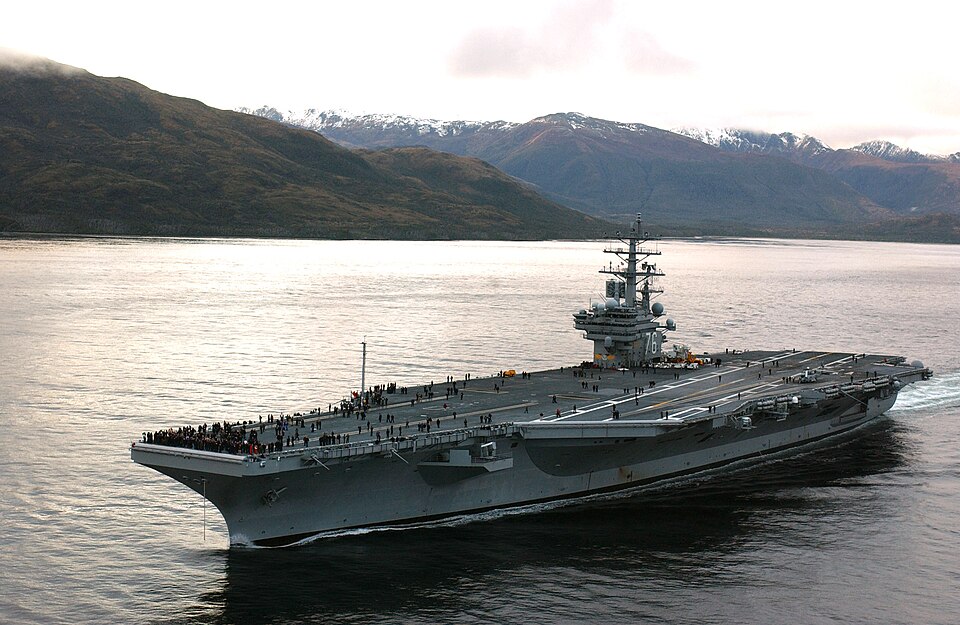
Mobilizing 24,000 U.S. service members, 189 aircraft, and 24 Navy vessels led by the Virginia-built nuclear supercarrier USS Ronald Reagan (CVN-76) and amphibious ship USS Essex (LHD-2), American forces partnered side-by-side with the Japan Self-Defense Forces across 300 miles of damaged coastline.
To analyze these defining traits accurately, specialists examine (tsoo-NAH-mee): A series of powerful ocean waves triggered by an undersea earthquake or volcanic eruption. Alongside (The Japanese word for "Friend" or "Friends," chosen as the name for the 2011 U.S. humanitarian relief mission in Japan.), these specialized characteristics set Operation Tomodachi ("Friends"): Japan Tsunami Relief (2011) apart within 🎖️ Service Members in Uniform & Hearts of Service Humanitarian Missions.
Field Observation & Evidence: Researchers studying Operation ("Friends"): Japan Relief (2011) observe how physical form matches function in United States Armed Forces. Each observable feature provides a clear advantage that supports stability, survival, or performance across changing conditions.
How It Works
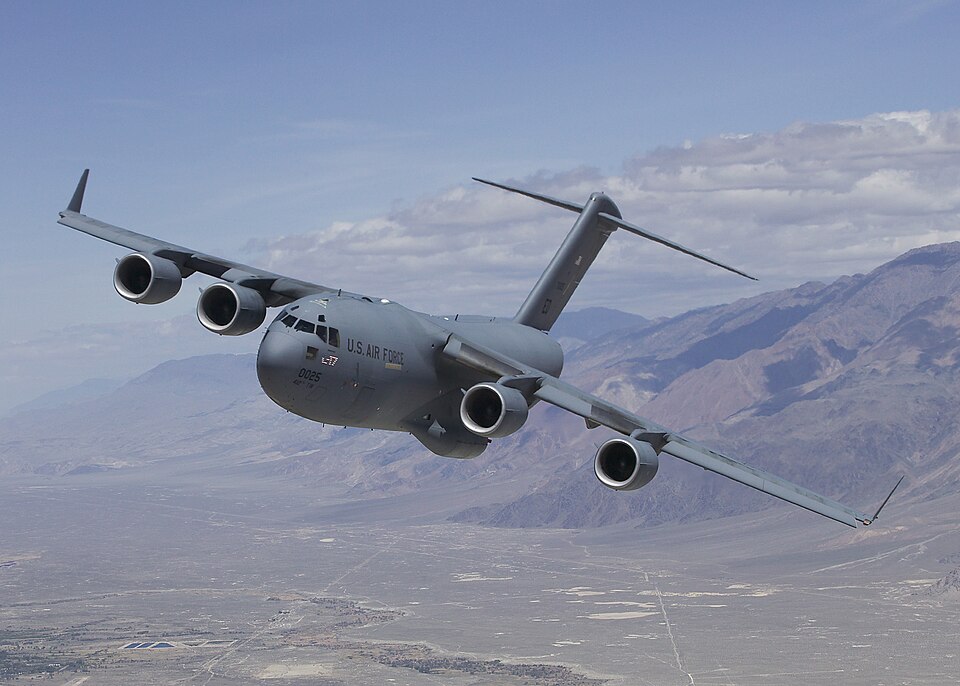
In a feat of rapid engineering, U.S. Air Force 320th Special Tactics Squadron airmen and U.S. Marines cleared tons of debris from flooded Sendai Airport—reopening the runway within days for C-17 Globemaster III and C-130 relief airlifts—while U.S. Navy barges delivered over 500,000 gallons of fresh water and 280 tons of food, blankets, and emergency fuel.
This step-by-step process relies on (pronounced AIR-feeld ree-KUV-er-ee), defined as: Clearing debris, repairing pavement, and setting up mobile radar so cargo planes can land at a disaster-damaged airport. Each stage of the process prepares the way for the next phase to unfold.
Cause-and-Effect Balance: When conditions remain balanced, and interact inside the to keep the system running smoothly. If any single link in this sequence is disrupted, the entire pace of activity shifts.
In Our World
On isolated Oshima Island, U.S. Marines and Sailors ferried utility trucks ashore on landing craft to restore electricity, clear roads, and clean local schools, earning lifelong gratitude from Japanese communities.
Understanding how Operation ("Friends"): Japan Relief (2011) functions in real environments also involves Tsunami (tsoo-NAH-mee): A series of powerful ocean waves triggered by an undersea earthquake or volcanic eruption. Even when surrounding conditions shift across seasons or regions, the interaction between Tomodachi, Tsunami, and helps sustain balance and resilience in the wider environment.
Global & Practical Significance: Japan Earthquake & Relief (Operation — "Friends", 2011) highlights Operation Tomodachi ("Friends" — U.S.–Japan Humanitarian Partnership) (Runway Clearance, Search & Rescue, Freshwater Barge Delivery & Blanket Airlifts). Furthermore, Key highlight: USS Ronald Reagan (CVN-76) • 24,000 U.S. Service Members • Sendai Airport Reopened.
Amazing Facts
1. Remarkable Scale & Numbers: The word "" (友達) means "Friends" in Japanese, and the Operation Tomodachi mission patch showed American and Japanese hands clasping in friendship! This discovery highlights why Tomodachi is central to understanding Operation Tomodachi ("Friends"): Japan Relief (2011).
2. Extraordinary Adaptation & Design: Sailors aboard USS Ronald Reagan (CVN-76) donated thousands of their own personal blankets, sweatshirts, and toys to keep Japanese children warm in freezing March weather! Specialized conditions involving make these adaptations possible.
3. Surprising Scientific & Historical Record: After U.S. military teams reopened Sendai Airport, Japanese schoolchildren wrote a giant "ARIGATO" ("Thank You!") in white chalk across the runway so pilots could read it from the sky! Over time, processes linked to leave a lasting mark across 🎖️ Service Members in Uniform & Hearts of Service Humanitarian Missions.
Read & Review
Chapter Synthesis: Throughout this investigation of Operation ("Friends"): Japan Relief (2011) in United States Armed Forces (🎖️ Service Members in Uniform & Hearts of Service Humanitarian Missions), we examined its core foundations, defining traits, step-by-step mechanisms, and real-world connections using key terms like Tomodachi, Tsunami, and .
Academic Vocabulary Review: • (toh-moh-DAH-chee): The Japanese word for "Friend" or "Friends," chosen as the name for the 2011 U.S. humanitarian relief mission in Japan. • (tsoo-NAH-mee): A series of powerful ocean waves triggered by an undersea earthquake or volcanic eruption. • (AIR-feeld ree-KUV-er-ee): Clearing debris, repairing pavement, and setting up mobile radar so cargo planes can land at a disaster-damaged airport.
Critical Thinking Check: (1) What is the central focus of Japan Earthquake & Relief (Operation — "Friends", 2011)? — Operation Tomodachi ("Friends" — U.S.–Japan Humanitarian Partnership) — Runway Clearance, Search & Rescue, Freshwater Barge Delivery & Blanket Airlifts. (2) Which key detail or operational highlight belongs to Japan Earthquake & Tsunami Relief (Operation Tomodachi — "Friends", 2011)? — USS Ronald Reagan (CVN-76) • 24,000 U.S. Service Members • Sendai Airport Reopened.