Introduction
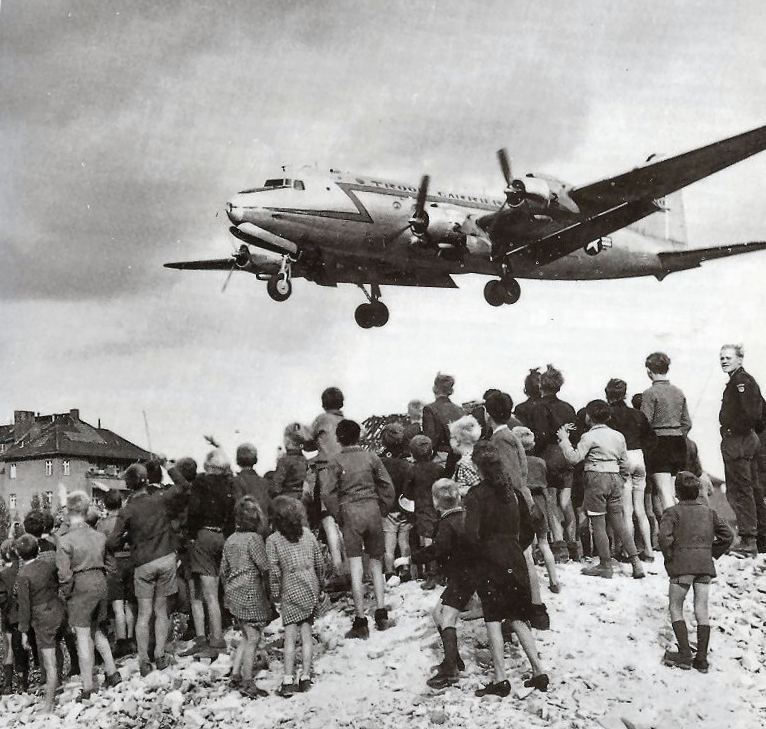
From June 1948 to September 1949, when Soviet authorities blockaded all rail, road, and canal access to two million civilians in West Berlin, the newly formed United States Air Force, U.S. Navy aviation squadrons, and allied crews executed the greatest humanitarian air bridge in history: the Berlin Airlift ().
A foundational concept in this investigation is (pronounced op-er-AY-shun VIT-ulz), which refers to: The official U.S. military name for the 1948–1949 Berlin Airlift that supplied 2.3 million tons of food and fuel by air. Every part of The Berlin Airlift & Operation Little Vittles ("The ", 1948–49) within 🎖️ Service Members in Uniform & Hearts of Service Humanitarian Missions builds upon this essential concept.
At the Grade 4 level of United States Armed Forces (🎖️ Service Members in Uniform & Hearts of Service Humanitarian Missions), researchers compare structure, function, and environmental context to see how , , and shape measurable outcomes.
Key Features
Flying C-47 Skytrains and four-engine C-54 Skymasters along three narrow 20-mile air corridors in rain, snow, and fog, aircrews completed 278,228 flights—landing an aircraft at Tempelhof or Gatow Airport as often as once every 45 to 90 seconds around the clock to deliver 2,326,406 tons of food, milk, medicine, and heating coal.
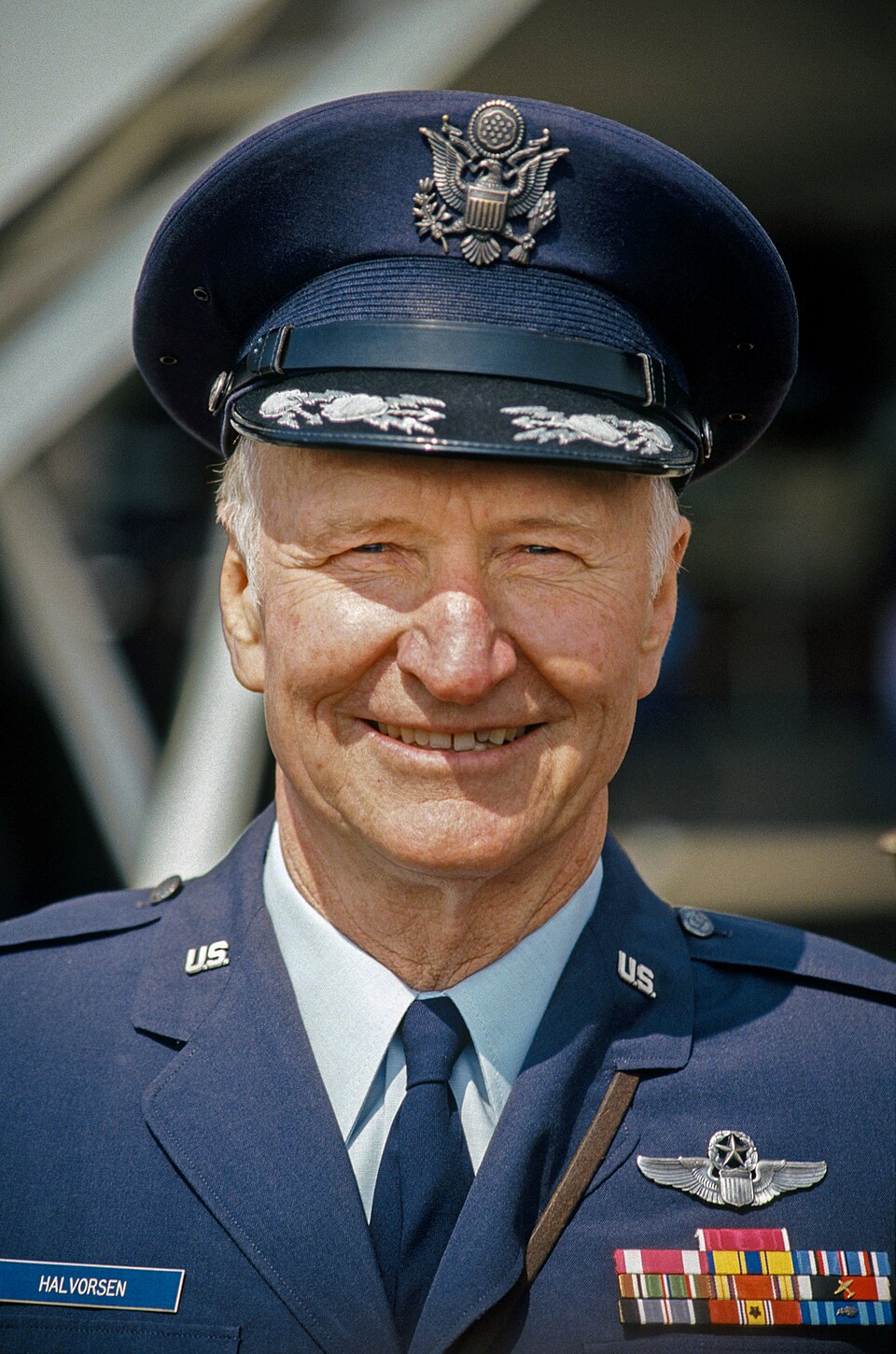
To analyze these defining traits accurately, specialists examine (KAN-dee BOM-er): The nickname of USAF pilot Colonel Gail Halvorsen ("Uncle Wiggly Wings"), founder of Operation Little Vittles. Alongside (The official U.S. military name for the 1948–1949 Berlin Airlift that supplied 2.3 million tons of food and fuel by air.), these specialized characteristics set The Berlin Airlift & Operation Little Vittles ("The Candy Bomber", 1948–49) apart within 🎖️ Service Members in Uniform & Hearts of Service Humanitarian Missions.
Field Observation & Evidence: Researchers studying The Berlin Airlift & Operation Little Vittles ("The ", 1948–49) observe how physical form matches function in United States Armed Forces. Each observable feature provides a clear advantage that supports stability, survival, or performance across changing conditions.
How It Works
In July 1948, 27-year-old USAF pilot Lt. Gail S. Halvorsen shared his last two sticks of gum with 30 children standing behind the barbed-wire fence at Tempelhof Airport. Seeing their gratitude, he promised to wiggle his C-54's wings on approach the next day ("Uncle Wiggly Wings") and drop chocolate bars attached to miniature cloth handkerchief parachutes!
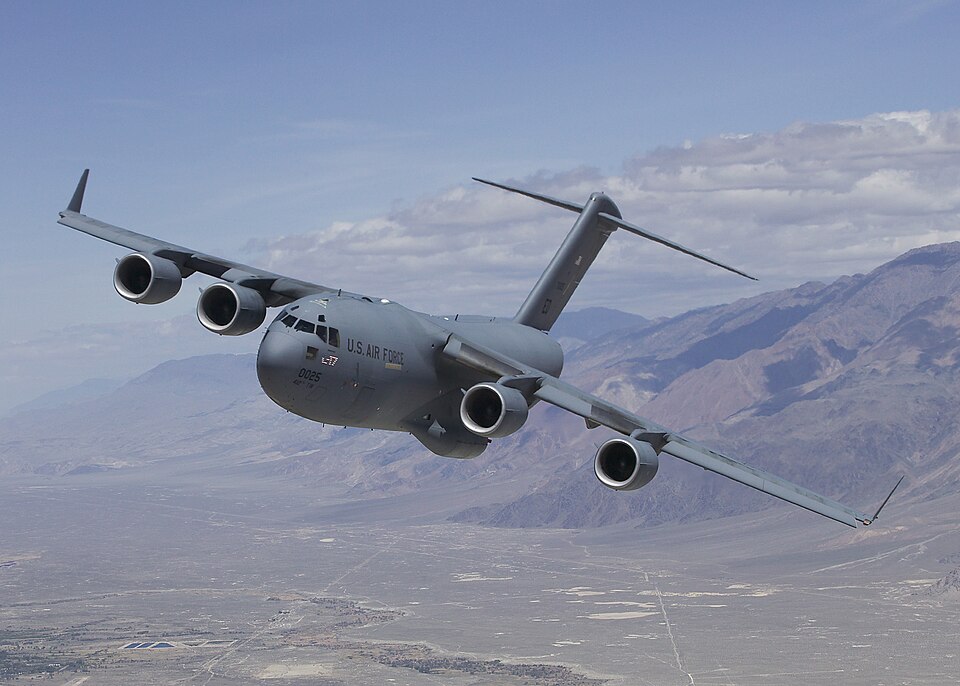
This step-by-step process relies on (pronounced air KOR-ih-dor), defined as: A designated sky highway with strict altitudes and speeds that allowed cargo planes to fly safely in all weather without colliding. Each stage of the process prepares the way for the next phase to unfold.
Cause-and-Effect Balance: When conditions remain balanced, and interact inside the to keep the system running smoothly. If any single link in this sequence is disrupted, the entire pace of activity shifts.
In Our World
When news of Halvorsen's kindness spread, American schoolchildren and U.S. Air Force squadrons donated tons of treats and handkerchiefs for "Operation Little Vittles"—ultimately floating 23 tons of candy on 250,000 tiny parachutes down to Berlin's children and turning former wartime adversaries into lifelong friends.
Understanding how The Berlin Airlift & Operation Little Vittles ("The ", 1948–49) functions in real environments also involves Candy Bomber (KAN-dee BOM-er): The nickname of USAF pilot Colonel Gail Halvorsen ("Uncle Wiggly Wings"), founder of Operation Little Vittles. Even when surrounding conditions shift across seasons or regions, the interaction between , Candy Bomber, and helps sustain balance and resilience in the wider environment.
Global & Practical Significance: The Berlin Airlift & Operation Little Vittles ("The ", 1948–1949) highlights & Operation Little Vittles (Humanitarian Airlift) (Feeding 2 Million Citizens by Air & Dropping Handkerchief Parachutes for Children). Furthermore, Key highlight: 2.3 Million Tons of Food & Coal • 278,228 Flights • 23 Tons of Parachute Candy.
Amazing Facts
1. Remarkable Scale & Numbers: German children called pilot Gail Halvorsen "Onkel Wackelflügel" ("Uncle Wiggly Wings") because he rocked his C-54 airplane's wings back and forth so they would know which plane was about to drop the tiny candy parachutes! This discovery highlights why is central to understanding The Berlin Airlift & Operation Little Vittles ("The ", 1948–49).
2. Extraordinary Adaptation & Design: Colonel Gail Halvorsen lived to be 101 years old (1920–2022) and received the Congressional Gold Medal for showing how a small act of kindness can change world history. Specialized conditions involving make these adaptations possible.
3. Surprising Scientific & Historical Record: At the peak of the Berlin Airlift on "the Easter Parade" (April 16, 1949), 1,398 cargo flights landed in 24 hours—nearly one plane every single minute! Over time, processes linked to leave a lasting mark across 🎖️ Service Members in Uniform & Hearts of Service Humanitarian Missions.
Read & Review
Chapter Synthesis: Throughout this investigation of The Berlin Airlift & Operation Little Vittles ("The ", 1948–49) in United States Armed Forces (🎖️ Service Members in Uniform & Hearts of Service Humanitarian Missions), we examined its core foundations, defining traits, step-by-step mechanisms, and real-world connections using key terms like , Candy Bomber, and .
Academic Vocabulary Review: • (op-er-AY-shun VIT-ulz): The official U.S. military name for the 1948–1949 Berlin Airlift that supplied 2.3 million tons of food and fuel by air. • (KAN-dee BOM-er): The nickname of USAF pilot Colonel Gail Halvorsen ("Uncle Wiggly Wings"), founder of Operation Little Vittles. • (air KOR-ih-dor): A designated sky highway with strict altitudes and speeds that allowed cargo planes to fly safely in all weather without colliding.
Critical Thinking Check: (1) What is the central focus of The Berlin Airlift & Operation Little Vittles ("The ", 1948–1949)? — & Operation Little Vittles (Humanitarian Airlift) — Feeding 2 Million Citizens by Air & Dropping Handkerchief Parachutes for Children. (2) Which key detail or operational highlight belongs to The Berlin Airlift & Operation Little Vittles ("The Candy Bomber", 1948–1949)? — 2.3 Million Tons of Food & Coal • 278,228 Flights • 23 Tons of Parachute Candy.