Introduction
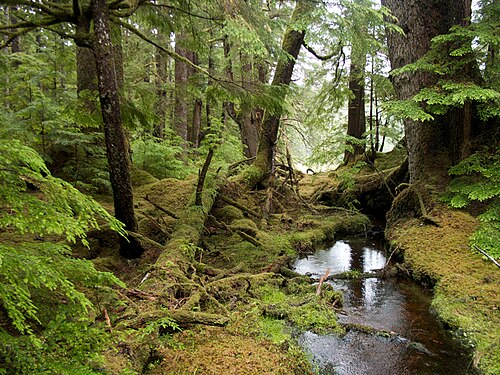
Trees are Earth’s natural air purifiers and climate regulators! From vast boreal forests in Canada to neighborhood street trees in cities, trees scrub harmful pollutants out of the air, lock away carbon, cool hot sidewalks, and pump fresh oxygen into the sky.
A foundational concept in this investigation is (pronounced KAR-buhn see-kwes-TRAY-shuhn), which refers to: The long-term capture and storage of atmospheric carbon dioxide inside tree trunks, roots, and forest soil. Every part of How Trees Clean the Air within Our Changing Planet builds upon this essential concept.
In Grade 3 Nature & Environment studies (Our Changing Planet), understanding how , , and work together helps explain real-world patterns. As you read each chapter, notice how these key terms connect structure, process, and environment.
Key Features
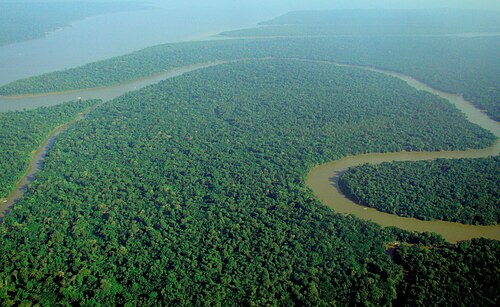
A mature broadleaf tree unfolds hundreds of thousands of leaves whose combined surface area can cover an entire football field! Microscopic hairs, waxy cuticles, and stomata across all those leaves act like a giant biological air filter.
To analyze these defining traits accurately, specialists examine (par-TIK-yuh-luht MAT-er): Microscopic solid particles of dust, smoke, and soot suspended in the air that tree leaves trap. Alongside (The long-term capture and storage of atmospheric carbon dioxide inside tree trunks, roots, and forest soil.), these specialized characteristics set How Trees Clean the Air apart within Our Changing Planet.
Field Observation & Evidence: Researchers studying How Trees Clean the Air observe how physical form matches function in Nature & Environment. Each observable feature provides a clear advantage that supports stability, survival, or performance across changing conditions.
How It Works
Trees clean the air in two ways: First, through stomata pores, leaves absorb gaseous pollutants like ozone, nitrogen oxides, and sulfur dioxide, along with carbon dioxide ($CO_2$), locking the carbon into solid wood in their trunks and roots (). Second, microscopic soot, dust, and smoke particles stick to the waxy leaf surfaces until rain washes them safely into the soil.
This step-by-step process relies on (pronounced UR-buhn heet EYE-luhnd), defined as: A city area that is much warmer than surrounding rural areas because dark pavement and buildings absorb heat. Each stage of the process prepares the way for the next phase to unfold.
Cause-and-Effect Balance: When conditions remain balanced, and interact inside the to keep the system running smoothly. If any single link in this sequence is disrupted, the entire pace of activity shifts.
In Our World
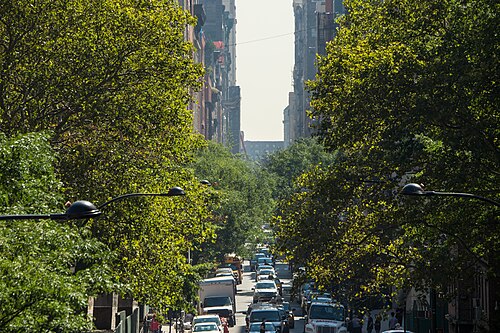
In cities, concrete and asphalt trap solar heat, creating "urban heat islands." Planting street trees shades buildings and cools city air by 2°C to 5°C (4°F to 9°F) through evaporative cooling as leaves transpire water vapor!
Understanding how How Trees Clean the Air functions in real environments also involves (par-TIK-yuh-luht MAT-er): Microscopic solid particles of dust, smoke, and soot suspended in the air that tree leaves trap. Even when surrounding conditions shift across seasons or regions, the interaction between , Particulate Matter, and helps sustain balance and resilience in the wider environment.
Global & Practical Significance: Roughly 50% of the dry weight of a tree’s wood is pure carbon pulled right out of the atmosphere! Furthermore, Tree shade and evaporative transpiration lower neighborhood air temperatures significantly.
Amazing Facts
1. Remarkable Scale & Numbers: A single mature tree can absorb roughly 22 kilograms (48 pounds) of carbon dioxide per year and trap thousands of dust particles on its leaves! This discovery highlights why is central to understanding How Trees Clean the Air.
2. Extraordinary Adaptation & Design: Neighborhoods with plenty of street trees have significantly lower rates of childhood asthma because leaves trap fine exhaust soot. Specialized conditions involving make these adaptations possible.
3. Surprising Scientific & Historical Record: The Boreal Forest (Taiga) stretching across Canada, Scandinavia, and Russia is the largest land biome on Earth, containing over 30% of all trees on the planet! Over time, processes linked to leave a lasting mark across Our Changing Planet.
Read & Review
Chapter Synthesis: Throughout this investigation of How Trees Clean the Air in Nature & Environment (Our Changing Planet), we examined its core foundations, defining traits, step-by-step mechanisms, and real-world connections using key terms like , , and .
Academic Vocabulary Review: • (KAR-buhn see-kwes-TRAY-shuhn): The long-term capture and storage of atmospheric carbon dioxide inside tree trunks, roots, and forest soil. • (par-TIK-yuh-luht MAT-er): Microscopic solid particles of dust, smoke, and soot suspended in the air that tree leaves trap. • (UR-buhn heet EYE-luhnd): A city area that is much warmer than surrounding rural areas because dark pavement and buildings absorb heat.
Critical Thinking Check: (1) What happens to the carbon that a tree absorbs from carbon dioxide ($CO_2$) in the air? — The tree locks the carbon into solid wood fibers in its trunk, branches, and roots. (2) How do city trees help reduce the "" effect in summer? — By shading pavement and cooling the air through leaf transpiration.