Introduction
When you watch a video or load a webpage on `a2ziq.com`, where does that information actually come from? Despite the name "the Cloud," the Internet isn’t floating in the sky—it is a global physical network of millions of computers linked together by underground and undersea fiber-optic cables!
An important word to know in this book is (DAY-tuh PAK-it). Data Packet means: A small, numbered chunk of digital information sent across the Internet and reassembled at its destination. Learning about Data Packet helps us understand how How the Internet Works fits into Inventions & Tech.
Key Features
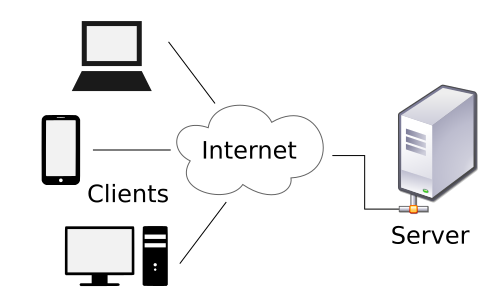
The Internet began in 1969 as a four-computer research project called ARPANET, and in 1989 British scientist Sir Tim Berners-Lee invented the World Wide Web (HTML and URLs). Every connected phone, tablet, or server has a unique numerical street address called an IP (Internet Protocol) address.
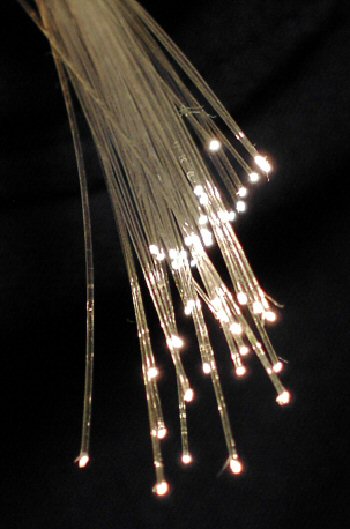
Scientists and explorers also look closely at (FY-ber OP-tik KAY-buhl), which means: A bundle of hair-thin flexible glass strands that transmits internet data at ultrahigh speed using pulses of light. These special traits make How the Internet Works easy to spot and study.
How It Works
When you send a photo or load a digital book, your computer chops the file into thousands of tiny numbered digital envelopes called data packets. Routers act like high-speed traffic police, directing each packet along the fastest path. Across oceans and continents, packets travel as pulses of laser light flashing through hair-thin glass strands called fiber-optic cables at nearly 200,000 kilometers per second! At the destination, your device reassembles the numbered packets in milliseconds.
Here is another helpful term: (ROW-ter). It means: A networking device that reads the destination IP address on data packets and forwards them along the fastest path. Step by step, and Router work together in nature.
In Our World
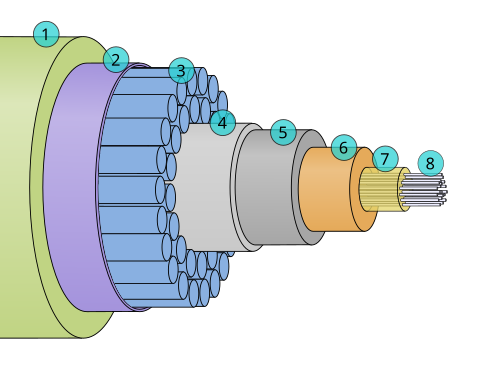
Believe it or not, 99% of all international internet traffic between continents travels not by satellites in space, but through over 500 submarine fiber-optic cables laid right across the bottom of the Atlantic and Pacific Ocean floors! Wi-Fi and cellular towers simply use radio waves for the final few meters between your and your tablet.
Understanding how How the Internet Works works in our world also involves (FY-ber OP-tik KAY-buhl): A bundle of hair-thin flexible glass strands that transmits internet data at ultrahigh speed using pulses of light. Even when surrounding conditions shift across seasons or regions, the interaction between , Fiber-Optic Cable, and helps sustain balance and resilience in the wider environment.
Amazing Facts
Amazing Fact #1: About 99% of intercontinental internet data travels along the bottom of the ocean inside submarine fiber-optic cables no thicker than a garden hose!
Amazing Fact #2: A single strand of glass optical fiber—as thin as a human hair—can carry tens of terabits of data per second using pulses of laser light.
Amazing Fact #3: The very first message ever sent over ARPANET (the ancestor of the Internet) on October 29, 1969, was supposed to be the word "LOGIN," but the computer crashed after typing just "LO"!
Read & Review
Let's review what we discovered about How the Internet Works! In this book, we explored how , , and connect to Inventions & Tech.
Key Question #1: How does 99% of international internet data travel across oceans between continents? Answer: As pulses of laser light inside undersea fiber-optic cables laid on the ocean floor. Submarine fiber-optic cables on the seabed carry nearly all global internet traffic.
Key Question #2: Why does the Internet break large files like videos or web pages into small numbered "data packets"? Answer: So packets can travel quickly along multiple paths without clogging a single wire and be reassembled in order. Packet switching allows millions of users to share network cables efficiently and reroute around any broken link.