Introduction
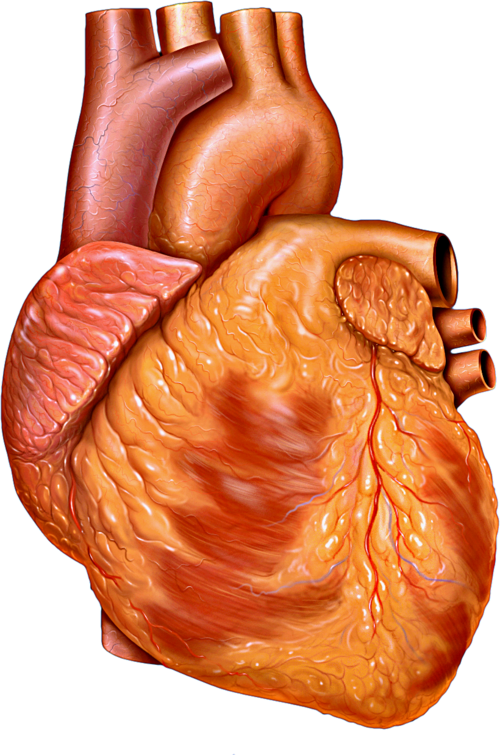
Make a fist with your hand—that is roughly the size of your heart! Tucked safely behind your ribs slightly to the left of your breastbone, your heart is a tireless muscular pump that beats about 100,000 times every single day to keep blood flowing to every cell in your body.
A foundational concept in this investigation is (pronounced VEN-trih-kuhl), which refers to: One of the two muscular lower chambers of the heart that pumps blood out to the lungs or the rest of the body. Every part of How the Heart Pumps within The Human Body & Health builds upon this essential concept.
In Grade 5 advanced nonfiction inquiry across Science & Technology (The Human Body & Health), synthesizing primary evidence around , , and reveals how complex systems operate and adapt over time.
Key Features
The human heart is divided into four chambers—two upper receiving rooms called atria (left and right atrium) and two thick-walled lower pumping rooms called ventricles (left and right ). Four one-way valves open and close like doors to keep blood moving forward without sloshing backward.
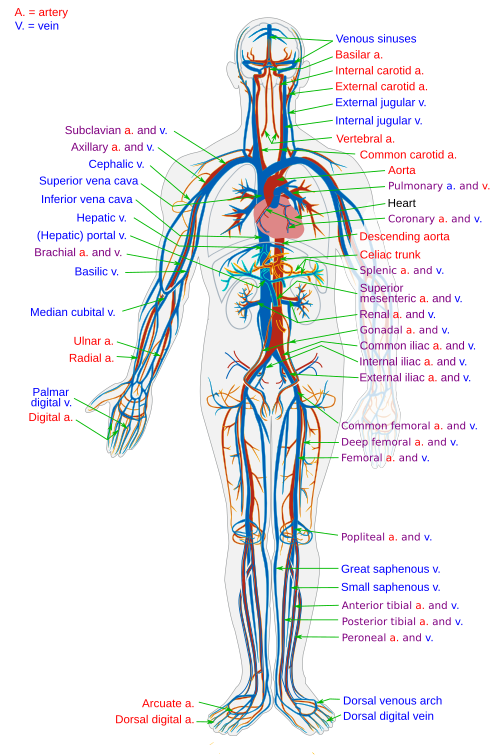
To analyze these defining traits accurately, specialists examine (AR-tuh-ree): A thick-walled blood vessel that carries blood away from the heart to the body’s organs and tissues. Alongside (One of the two muscular lower chambers of the heart that pumps blood out to the lungs or the rest of the body.), these specialized characteristics set How the Heart Pumps apart within The Human Body & Health.
Field Observation & Evidence: Researchers studying How the Heart Pumps observe how physical form matches function in Science & Technology. Each observable feature provides a clear advantage that supports stability, survival, or performance across changing conditions.
How It Works
Your heart is actually two pumps working side by side! The right side receives oxygen-poor blood returning from your body through veins and pumps it to your lungs to pick up fresh oxygen. That bright red, oxygen-rich blood flows into the left side of the heart, which squeezes powerfully to pump it out through the aorta and arteries to your brain, muscles, and toes!
This step-by-step process relies on (pronounced KAP-uh-lair-ee), defined as: A microscopic blood vessel with walls only one cell thick where oxygen and nutrients pass into body cells. Each stage of the process prepares the way for the next phase to unfold.
Cause-and-Effect Balance: When conditions remain balanced, and interact inside the to keep the system running smoothly. If any single link in this sequence is disrupted, the entire pace of activity shifts.
In Our World
When a doctor listens to your chest with a stethoscope, the "lub-DUB, lub-DUB" sound is not the muscle squeezing—it is the sound of the heart’s four valves snapping shut! Exercise makes your cardiac muscle stronger so it can pump more blood with every single beat.
Understanding how How the Heart Pumps functions in real environments also involves (AR-tuh-ree): A thick-walled blood vessel that carries blood away from the heart to the body’s organs and tissues. Even when surrounding conditions shift across seasons or regions, the interaction between , Artery, and helps sustain balance and resilience in the wider environment.
Global & Practical Significance: The "lub" is the closing of the tricuspid and mitral valves; the "dub" is the closing of the aortic and pulmonary valves. Furthermore, Remember A for Arteries = Away from the heart!
Amazing Facts
1. Remarkable Scale & Numbers: If you laid all the arteries, veins, and microscopic capillaries in one human body end to end, they would stretch nearly 96,000 kilometers (60,000 miles)—long enough to circle Earth more than twice! This discovery highlights why is central to understanding How the Heart Pumps.
2. Extraordinary Adaptation & Design: Your heart beats about 35 million times in a year and over 2.5 billion times during an average human lifetime without ever taking a vacation. Specialized conditions involving make these adaptations possible.
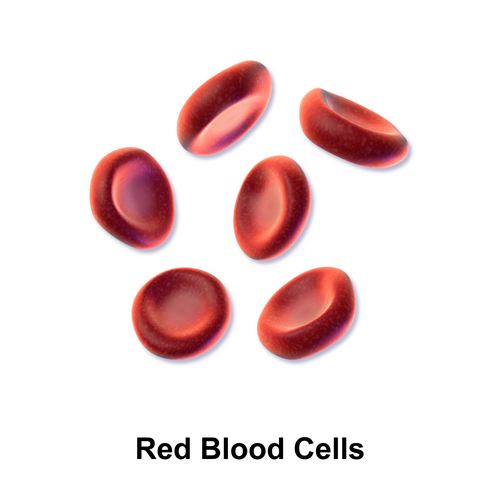
3. Surprising Scientific & Historical Record: Red blood cells get their bright red color from hemoglobin, an iron-rich protein that acts like a tiny magnet for carrying oxygen. Over time, processes linked to leave a lasting mark across The Human Body & Health.
Read & Review
Chapter Synthesis: Throughout this investigation of How the Heart Pumps in Science & Technology (The Human Body & Health), we examined its core foundations, defining traits, step-by-step mechanisms, and real-world connections using key terms like , , and .
Academic Vocabulary Review: • (VEN-trih-kuhl): One of the two muscular lower chambers of the heart that pumps blood out to the lungs or the rest of the body. • (AR-tuh-ree): A thick-walled blood vessel that carries blood away from the heart to the body’s organs and tissues. • (KAP-uh-lair-ee): A microscopic blood vessel with walls only one cell thick where oxygen and nutrients pass into body cells.
Critical Thinking Check: (1) What creates the familiar "lub-DUB" sound when a doctor listens to your heart with a stethoscope? — The heart’s one-way valves snapping shut between chambers. (2) What is the difference between arteries and veins? — Arteries carry blood away from the heart, while veins carry blood back toward the heart.