Introduction
Plants are rooted in one spot, yet their seeds travel across meadows, mountains, and even oceans! If every seed fell straight under its parent tree, the seedlings would starve for sunlight and water—so plants engineer ingenious methods.
An important word to know in this book is (seed dis-PUR-suhl). Seed Dispersal means: The movement or transport of seeds away from the parent plant by wind, water, animals, or bursting pods. Learning about Seed Dispersal helps us understand how How Seeds Travel: Wind & Animals fits into The Plant Kingdom.
Key Features
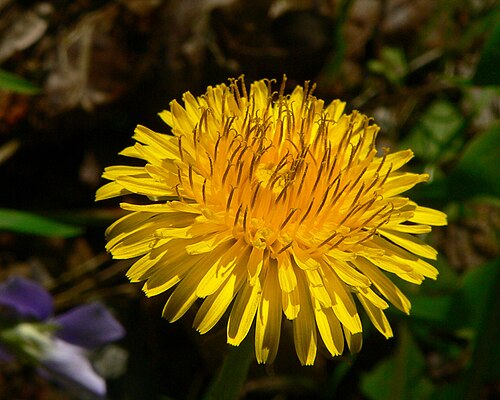
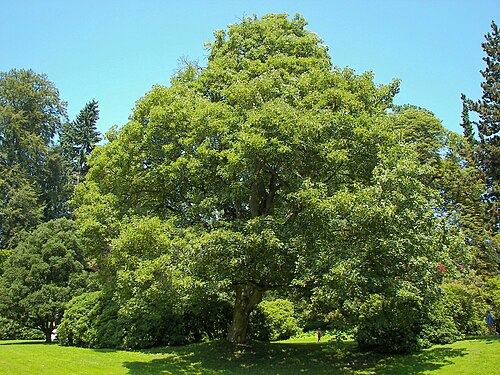
Dandelion and milkweed seeds wear feathery parachutes (pappus) that ride gentle breezes for kilometers. Maple tree seeds (samaras) have curved wings that spin like miniature helicopter blades to slow their fall and catch the wind.
Scientists and explorers also look closely at (SAM-er-uh), which means: A winged dry fruit, such as a maple "helicopter" seed, that spins in the wind. These special traits make How Seeds Travel: Wind & Animals easy to spot and study.
How It Works
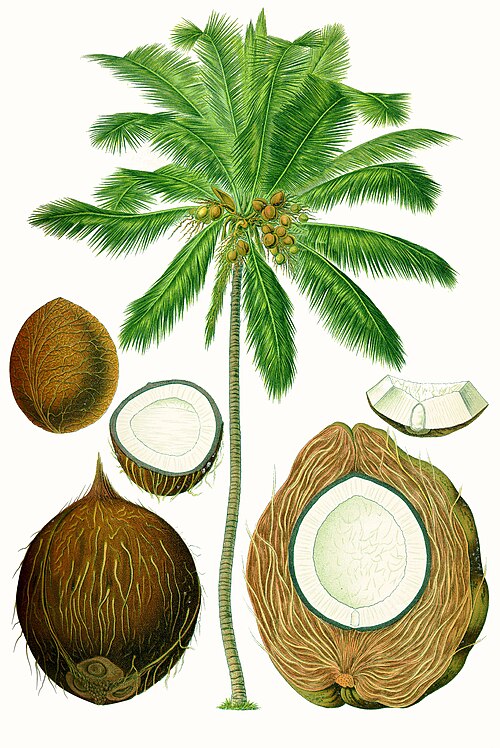
Animals are major seed couriers. Burdock pods have tiny hooked bristles that snag onto dog fur and hiker socks (inspiring the invention of Velcro!). Blueberries, cherries, and acorns feed birds and squirrels, which carry or bury the seeds far away. Coconuts have fibrous air-filled husks that float across ocean currents.
Here is another helpful term: (jur-muh-NAY-shuhn). It means: The process by which a seed absorbs water and sprouts its first root and shoot. Step by step, and Germination work together in nature.
In Our World
Some plants don’t wait for wind or animals—they explode! Touch-me-not (jewelweed) pods and witch hazel capsules build up internal tension as they dry and fling their seeds up to 9 meters (30 feet) through the air like catapults.
Understanding how How Seeds Travel: Wind & Animals works in our world also involves (SAM-er-uh): A winged dry fruit, such as a maple "helicopter" seed, that spins in the wind. Even when surrounding conditions shift across seasons or regions, the interaction between , Samara, and helps sustain balance and resilience in the wider environment.
Amazing Facts
Amazing Fact #1: Swiss engineer George de Mestral invented Velcro in 1941 after looking under a microscope at the tiny hooks on burdock seed burrs stuck to his dog’s fur!
Amazing Fact #2: A coconut seed can float in salty ocean water for over 100 days and still sprout into a palm tree when it washes ashore on a distant island.
Amazing Fact #3: Squirrels forget the location of thousands of acorns they bury each autumn—and those forgotten acorns grow into new oak forests!
Read & Review
Let's review what we discovered about How Seeds Travel: Wind & Animals! In this book, we explored how , , and connect to The Plant Kingdom.
Key Question #1: Which everyday invention was inspired by the hooked seed burrs of the burdock plant? Answer: Velcro hook-and-loop fasteners. George de Mestral modeled Velcro after the microscopic hooks on burdock burrs.
Key Question #2: Why is it important for seeds to travel away from their parent plant? Answer: So young seedlings don’t have to compete with the parent plant for sunlight, water, and soil space. Dispersal reduces overcrowding and helps plant species colonize new habitats.