Introduction
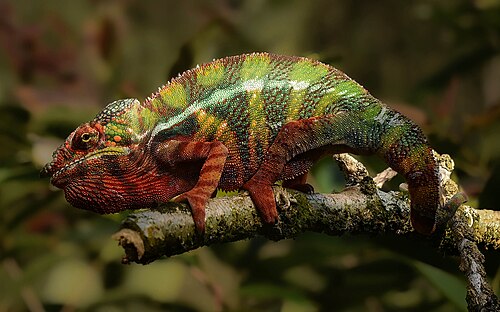
In nature’s game of hide-and-seek, staying invisible can mean the difference between catching dinner and becoming dinner! Camouflage allows animals to blend into their surroundings using color, pattern, body shape, or active skin-changing cells.
A foundational concept in this investigation is (pronounced kroh-MAT-uh-for), which refers to: A specialized pigment-containing skin cell that expands or contracts to change an animal’s color. Every part of How Camouflage Works within Classification & Anatomy builds upon this essential concept.
At the Grade 4 level of Animals (Classification & Anatomy), researchers compare structure, function, and environmental context to see how , , and shape measurable outcomes.
Key Features
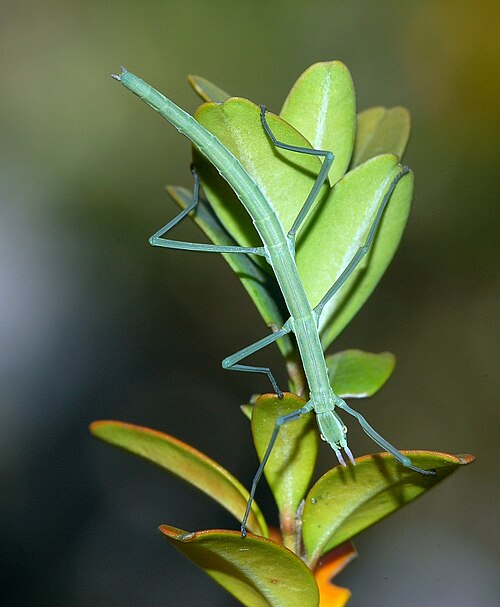
Scientists group camouflage into four main strategies: concealing coloration (a white snowy owl against snow), (a zebra’s stripes or leopard’s spots that break up its body outline), disguise/masquerade (a walking stick insect looking like a twig), and mimicry.
To analyze these defining traits accurately, specialists examine (KOWN-ter-shay-ding): Camouflage in which an animal’s back is dark and its underside is light, like a penguin or shark. Alongside (A specialized pigment-containing skin cell that expands or contracts to change an animal’s color.), these specialized characteristics set How Camouflage Works apart within Classification & Anatomy.
Field Observation & Evidence: Researchers studying How Camouflage Works observe how physical form matches function in Animals. Each observable feature provides a clear advantage that supports stability, survival, or performance across changing conditions.
How It Works
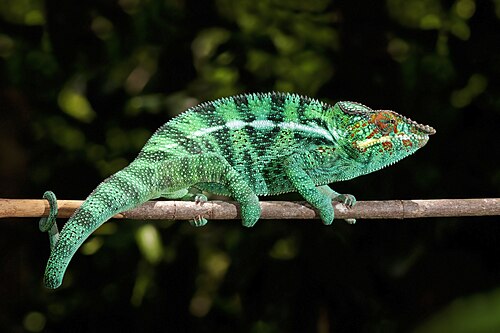
Cuttlefish, octopuses, and chameleons can change color in seconds! Their skin contains microscopic pigment sacs called chromatophores and reflective nanocrystal cells called iridophores. By flexing tiny muscles or shifting nanocrystal spacing, they match rocks, coral, or leaves.
This step-by-step process relies on (pronounced dis-RUP-tiv kul-er-AY-shuhn), defined as: Bold stripes or spots that break up an animal’s outline so predators cannot easily spot its shape. Each stage of the process prepares the way for the next phase to unfold.
Cause-and-Effect Balance: When conditions remain balanced, and interact inside the to keep the system running smoothly. If any single link in this sequence is disrupted, the entire pace of activity shifts.
In Our World
is common in ocean animals like penguins and sharks: their backs are dark to blend with the deep water when viewed from above, while their bellies are bright white to blend with sunlit water when viewed from below.
Understanding how How Camouflage Works functions in real environments also involves (KOWN-ter-shay-ding): Camouflage in which an animal’s back is dark and its underside is light, like a penguin or shark. Even when surrounding conditions shift across seasons or regions, the interaction between , Countershading, and helps sustain balance and resilience in the wider environment.
Global & Practical Significance: Chromatophores and iridophores allow rapid skin color changes. Furthermore, hides marine animals from predators looking both downward and upward.
Amazing Facts
1. Remarkable Scale & Numbers: A cuttlefish can change both the color and 3D texture of its skin in less than one second—even though it is colorblind! This discovery highlights why is central to understanding How Camouflage Works.
2. Extraordinary Adaptation & Design: Leaf-tailed geckos of Madagascar have flat bodies, notched edges, and fake "decay spots" that look exactly like a dead fallen leaf. Specialized conditions involving make these adaptations possible.
3. Surprising Scientific & Historical Record: Chameleons change color not only for camouflage, but also to regulate body temperature and send mood signals to other chameleons. Over time, processes linked to leave a lasting mark across Classification & Anatomy.
Read & Review
Chapter Synthesis: Throughout this investigation of How Camouflage Works in Animals (Classification & Anatomy), we examined its core foundations, defining traits, step-by-step mechanisms, and real-world connections using key terms like , , and .
Academic Vocabulary Review: • (kroh-MAT-uh-for): A specialized pigment-containing skin cell that expands or contracts to change an animal’s color. • (KOWN-ter-shay-ding): Camouflage in which an animal’s back is dark and its underside is light, like a penguin or shark. • (dis-RUP-tiv kul-er-AY-shuhn): Bold stripes or spots that break up an animal’s outline so predators cannot easily spot its shape.
Critical Thinking Check: (1) What are the microscopic pigment sacs in a cuttlefish or chameleon’s skin called? — Chromatophores. (2) Why do penguins and sharks have dark backs and white bellies ()? — To blend into the dark depths from above and the bright sunlit surface from below.