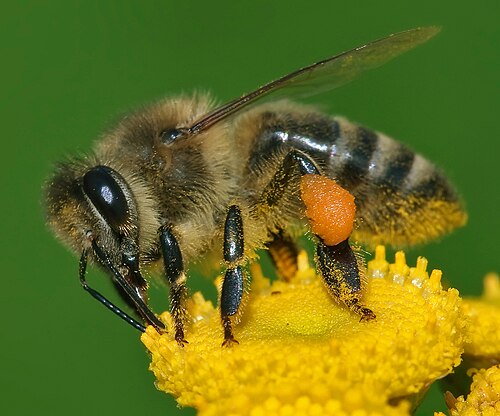
Introduction
Inside a bustling beehive of 50,000 honeybees, there is no light—yet a returning scout bee can tell her sisters the exact distance, direction, and quality of a blooming meadow of wildflowers kilometers away by performing the famous ""!
An important word to know in this book is (WAG-uhl dans). Waggle Dance means: A figure-eight dance performed by honeybees on the honeycomb to communicate the direction and distance of flowers. Learning about Waggle Dance helps us understand how How Bees Talk: The Waggle Dance fits into Animal Behavior & Working Animals.
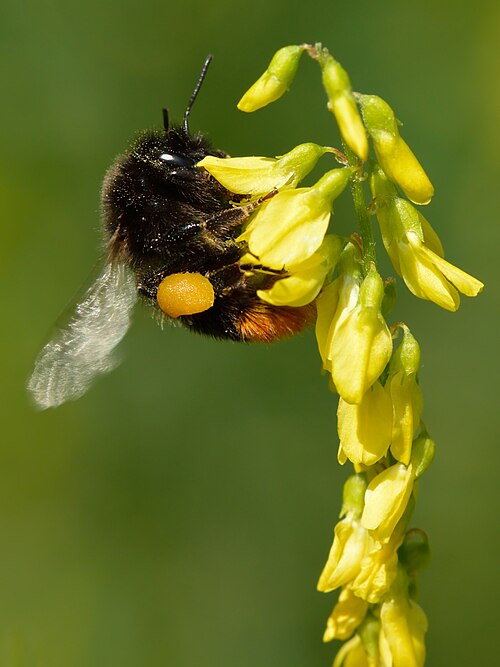
Key Features
Honeybees live in eusocial colonies with three castes: one fertile Queen who lays up to 2,000 eggs a day, tens of thousands of female Worker bees who clean, build hexagonal wax comb, guard the hive, and forage, and male Drones.
Scientists and explorers also look closely at (pol-uh-NAY-shuhn), which means: The transfer of pollen grains from flower to flower so plants can produce seeds and fruit. These special traits make How Bees Talk: The easy to spot and study.
How It Works
Austrian scientist Karl von Frisch won the Nobel Prize for decoding the bee dance. On the vertical honeycomb, the scout bee walks in a figure-eight pattern, waggling her abdomen down the center line. The angle of her waggle relative to straight up matches the angle of the flowers relative to the Sun!
Here is another helpful term: (FAIR-uh-mohn). It means: A chemical scent signal released by an insect or animal to communicate with members of its species. Step by step, and Pheromone work together in nature.
In Our World
Each second of waggling equals roughly 1 kilometer (0.6 miles) of flight distance! Honeybees also release scent pheromones and share droplets of flower nectar so recruits know exactly what blossom scent to search for.
Understanding how How Bees Talk: The works in our world also involves (pol-uh-NAY-shuhn): The transfer of pollen grains from flower to flower so plants can produce seeds and fruit. Even when surrounding conditions shift across seasons or regions, the interaction between Waggle Dance, Pollination, and helps sustain balance and resilience in the wider environment.
Amazing Facts
Amazing Fact #1: To make just 1 pound (450 grams) of honey, a hive of bees must visit about 2 million flowers and fly a combined 88,000 kilometers!
Amazing Fact #2: Even as the Sun moves across the sky during the afternoon, dancing bees automatically adjust the angle of their inside the dark hive.
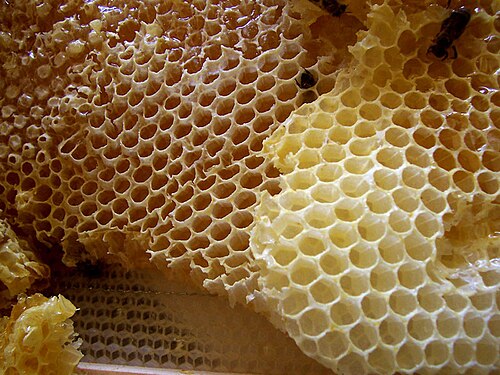
Amazing Fact #3: Bees build six-sided hexagons for their honeycomb because hexagons hold the maximum amount of honey using the least amount of beeswax.
Read & Review
Let's review what we discovered about How Bees Talk: The ! In this book, we explored how Waggle Dance, , and connect to Animal Behavior & Working Animals.
Key Question #1: In a honeybee’s , what does the angle of the waggle run on the honeycomb tell other bees? Answer: The direction of the flowers relative to the position of the Sun. Straight up on the vertical comb represents flying directly toward the Sun; any angle left or right indicates the angle away from the Sun.
Key Question #2: What tells the other worker bees how far away the flower patch is? Answer: How long (how many seconds) the scout bee waggles during the center run. A longer waggle duration indicates a farther flight distance to the food source.