Introduction
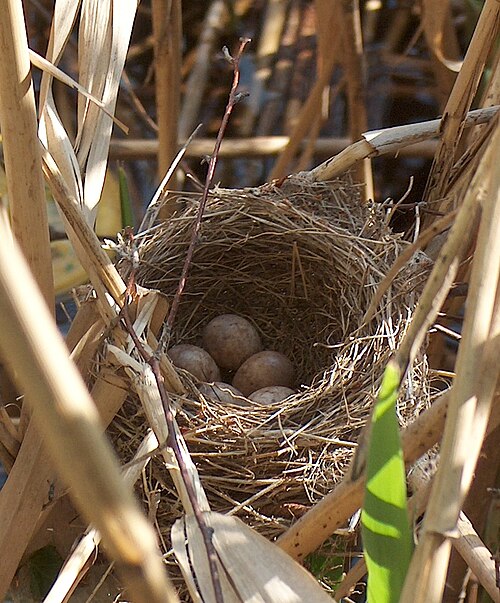
Inside every bird egg is a self-contained life-support capsule! Whether it is a tiny robin’s sky-blue egg or a giant ostrich egg, the hard calcium carbonate shell protects the growing chick while letting life-giving oxygen pass through thousands of microscopic pores.
A foundational concept in this investigation is (pronounced in-kyoo-BAY-shuhn), which refers to: Keeping eggs warm at a steady temperature so the embryos inside can develop and hatch. Every part of How a Bird Hatches within Life Cycles builds upon this essential concept.
In Grade 5 advanced nonfiction inquiry across Animals (Life Cycles), synthesizing primary evidence around , , and reveals how complex systems operate and adapt over time.
Key Features
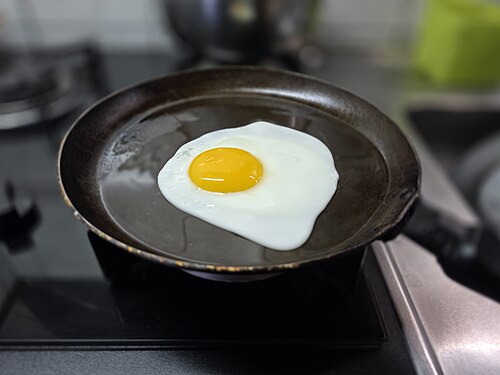
Inside the shell, the yellow yolk provides fat and protein-rich food for the growing embryo, the clear (egg white) cushions the baby and supplies water, and twisted protein strands called chalazae suspend the yolk safely in the center.
To analyze these defining traits accurately, specialists examine (eg tooth): A temporary tiny horn-like projection on a unhatched chick’s beak used to crack open the eggshell from the inside. Alongside (Keeping eggs warm at a steady temperature so the embryos inside can develop and hatch.), these specialized characteristics set How a Bird Hatches apart within Life Cycles.
Field Observation & Evidence: Researchers studying How a Bird Hatches observe how physical form matches function in Animals. Each observable feature provides a clear advantage that supports stability, survival, or performance across changing conditions.
How It Works
Parent birds sit on the eggs to keep them at a steady 37.5°C (99.5°F) during , turning them regularly. When ready to hatch, the chick uses a temporary sharp bump on the tip of its beak called an —plus a strong neck muscle—to pip (crack) a circle around the shell.
This step-by-step process relies on (pronounced al-BYOO-muhn), defined as: The clear egg white that cushions the embryo and supplies water and protein. Each stage of the process prepares the way for the next phase to unfold.
Cause-and-Effect Balance: When conditions remain balanced, and interact inside the to keep the system running smoothly. If any single link in this sequence is disrupted, the entire pace of activity shifts.
In Our World
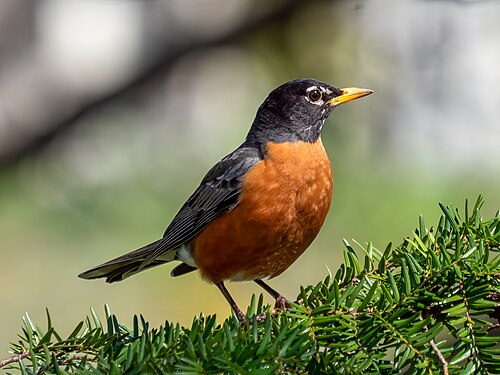
Hatchlings fall into two groups: altricial chicks (like robins, eagles, and owls) hatch blind, featherless, and helpless in a nest, while precocial chicks (like ducklings, goslings, and baby chickens) hatch covered in down with open eyes, ready to walk and feed within hours!
Understanding how How a Bird Hatches functions in real environments also involves (eg tooth): A temporary tiny horn-like projection on a unhatched chick’s beak used to crack open the eggshell from the inside. Even when surrounding conditions shift across seasons or regions, the interaction between , Egg Tooth, and helps sustain balance and resilience in the wider environment.
Global & Practical Significance: Microscopic pores in the calcium shell allow oxygen in and carbon dioxide out. Furthermore, The on the upper beak chips away the shell from the inside.
Amazing Facts
1. Remarkable Scale & Numbers: A chicken eggshell looks solid, but it actually has up to 17,000 microscopic pores so the growing chick can breathe oxygen! This discovery highlights why is central to understanding How a Bird Hatches.
2. Extraordinary Adaptation & Design: A baby bird’s special "" falls off just a few days after hatching once its job of breaking the shell is finished. Specialized conditions involving Egg Tooth make these adaptations possible.
3. Surprising Scientific & Historical Record: An ostrich egg weighs 1.4 kilograms (over 3 pounds)—equivalent to about 24 chicken eggs—and has a shell thick enough for a person to stand on! Over time, processes linked to leave a lasting mark across Life Cycles.
Read & Review
Chapter Synthesis: Throughout this investigation of How a Bird Hatches in Animals (Life Cycles), we examined its core foundations, defining traits, step-by-step mechanisms, and real-world connections using key terms like , , and .
Academic Vocabulary Review: • (in-kyoo-BAY-shuhn): Keeping eggs warm at a steady temperature so the embryos inside can develop and hatch. • (eg tooth): A temporary tiny horn-like projection on a unhatched chick’s beak used to crack open the eggshell from the inside. • (al-BYOO-muhn): The clear egg white that cushions the embryo and supplies water and protein.
Critical Thinking Check: (1) How does a developing chick breathe oxygen while sealed inside a bird egg? — Oxygen diffuses through thousands of microscopic pores in the eggshell. (2) What tool does a baby bird use to "pip" (crack) its way out of the shell? — A temporary sharp bump on its beak called an .