Introduction
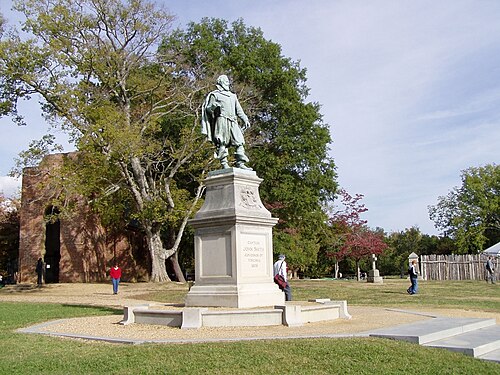
Along the banks of the James River on Jamestown Island sits Historic Jamestowne—the exact original ground where, on May 14, 1607, 104 English men and boys stepped ashore to build James Fort, establishing the first permanent English settlement in North America!
A foundational concept in this investigation is (pronounced ar-kee-OL-uh-jee), which refers to: The scientific study of human history by excavating and analyzing artifacts, buildings, and soil layers left behind. Every part of Historic Jamestowne: The 1607 Archaeological Site within ⚓ Virginia's Colonial Birthplace & Coastal Landmarks builds upon this essential concept.
In Grade 3 History (American & Virginia) studies (⚓ Virginia's Colonial Birthplace & Coastal Landmarks), understanding how , , and work together helps explain real-world patterns. As you read each chapter, notice how these key terms connect structure, process, and environment.
Key Features
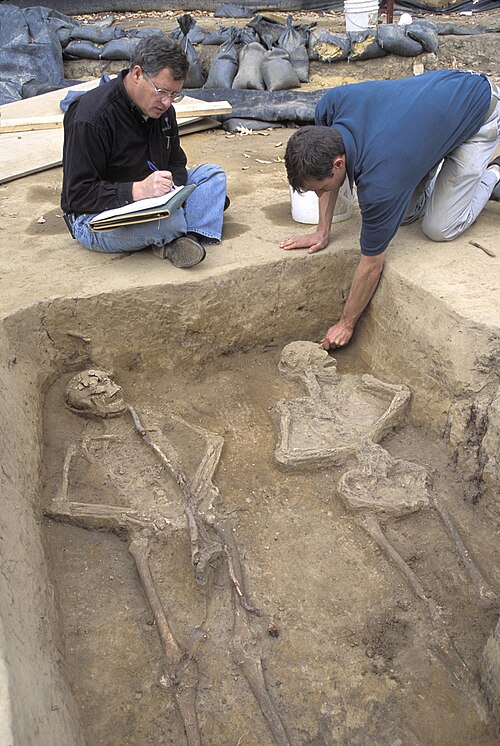
For more than 200 years, historians believed that the eroding James River had washed away the entire 1607 triangular wooden fort! Only the weathered red-brick 17th-Century Church Tower (built around 1680) still stood above ground. Then, in April 1994, archaeologist Dr. William Kelso launched the Jamestown Rediscovery Project and dug near the old church tower!
To analyze these defining traits accurately, specialists examine (POHST-hohl): A dark soil stain left in the earth after an ancient wooden fence post or building timber decays, revealing a fort’s exact outline. Alongside (The scientific study of human history by excavating and analyzing artifacts, buildings, and soil layers left behind.), these specialized characteristics set Historic Jamestowne: The 1607 Archaeological Site apart within ⚓ Virginia's Colonial Birthplace & Coastal Landmarks.
Field Observation & Evidence: Researchers studying Historic Jamestowne: The 1607 Archaeological Site observe how physical form matches function in History (American & Virginia). Each observable feature provides a clear advantage that supports stability, survival, or performance across changing conditions.
How It Works
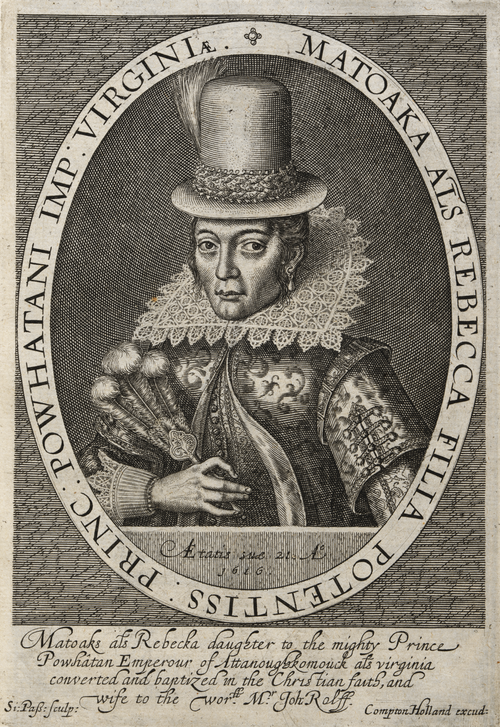
How did archaeologists prove they had found the real 1607 James Fort? When wooden logs rot in the ground over centuries, they leave dark circular soil stains called postholes! Dr. Kelso’s team uncovered the dark soil stains of the triangular walls, the corner bulwarks (watchtowers), the blacksmith shop, wells, and the foundations of the 1608 Mud-and-Stud Church where Pocahontas (Matoaka, daughter of Paramount Chief Powhatan) married John Rolfe in April 1614—AND where the first representative legislative assembly in America convened in July 1619!
This step-by-step process relies on (pronounced AR-tuh-fakt), defined as: An object made or used by humans in the past, such as a coin, pottery shard, glass bead, or piece of armor. Each stage of the process prepares the way for the next phase to unfold.
Cause-and-Effect Balance: When conditions remain balanced, and interact inside the to keep the system running smoothly. If any single link in this sequence is disrupted, the entire pace of activity shifts.
In Our World
To date, the Jamestown Rediscovery team has excavated more than 3 million artifacts from the fort’s trash pits and wells—including steel armor breastplates, Spanish coins, glass trade beads, medical tools, and Powhatan pottery! Visitors to Historic Jamestowne can stand at the active archaeological dig site, walk inside the Memorial Church, and visit the Nathanael Bacon / Archaearium Museum to see 400-year-old treasures up close.
Understanding how Historic Jamestowne: The 1607 Archaeological Site functions in real environments also involves (POHST-hohl): A dark soil stain left in the earth after an ancient wooden fence post or building timber decays, revealing a fort’s exact outline. Even when surrounding conditions shift across seasons or regions, the interaction between , Posthole, and helps sustain balance and resilience in the wider environment.
Global & Practical Significance: Soil stains proved that most of the original 1607 James Fort had survived erosion on Jamestown Island. Furthermore, Organic wood decay changes the color and texture of the soil in the exact shape of the original timbers.
Amazing Facts
1. Remarkable Scale & Numbers: For over two centuries, textbooks claimed the 1607 James Fort was lost underwater in the James River—until Dr. William Kelso discovered that 85% of the triangular fort was still right on dry land! This discovery highlights why is central to understanding Historic Jamestowne: The 1607 Archaeological Site.
2. Extraordinary Adaptation & Design: Inside the 1617 church foundations at Historic Jamestowne, Governor George Yeardley and 22 elected burgesses met for 6 hot days in July–August 1619—creating the first representative legislature in America! Specialized conditions involving make these adaptations possible.
3. Surprising Scientific & Historical Record: In August 1619, the privateer ship White Lion landed at Point Comfort and Jamestown carrying roughly "20 and odd" enslaved Africans from the Kingdom of Ndongo (modern Angola)—a defining moment in American history. Over time, processes linked to leave a lasting mark across ⚓ Virginia's Colonial Birthplace & Coastal Landmarks.
Read & Review
Chapter Synthesis: Throughout this investigation of Historic Jamestowne: The 1607 Archaeological Site in History (American & Virginia) (⚓ Virginia's Colonial Birthplace & Coastal Landmarks), we examined its core foundations, defining traits, step-by-step mechanisms, and real-world connections using key terms like , , and .
Academic Vocabulary Review: • (ar-kee-OL-uh-jee): The scientific study of human history by excavating and analyzing artifacts, buildings, and soil layers left behind. • (POHST-hohl): A dark soil stain left in the earth after an ancient wooden fence post or building timber decays, revealing a fort’s exact outline. • (AR-tuh-fakt): An object made or used by humans in the past, such as a coin, pottery shard, glass bead, or piece of armor.
Critical Thinking Check: (1) What groundbreaking discovery did archaeologist Dr. William Kelso and the Jamestown Rediscovery team make beginning in 1994? — They found the original 1607 triangular James Fort footprint and over 3 million artifacts on dry land right beside the old church tower. (2) How can archaeologists tell where a 400-year-old wooden fort wall stood long after the wood has rotted away? — Decayed wooden logs leave dark, distinct soil stains ("postholes" and trenches) in the lighter Virginia clay.