Introduction
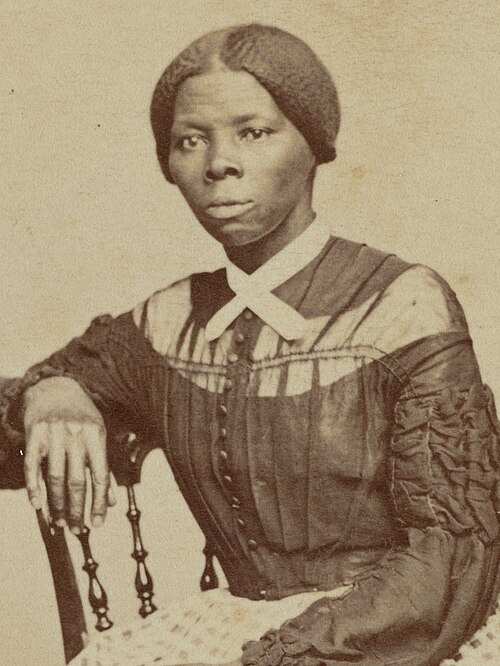
Born into slavery in Dorchester County, Maryland, around 1822 with the name Araminta "Minty" Ross, Harriet Tubman became the most famous and fearless on the Underground Railroad—earning the nickname "Moses" for leading her people to freedom!
A foundational concept in this investigation is (pronounced kuhn-DUK-ter), which refers to: An Underground Railroad guide like Harriet Tubman who risked her own freedom to lead enslaved people to safety. Every part of Harriet Tubman’s Bravery within The Underground Railroad & Westward Expansion builds upon this essential concept.
At the Grade 4 level of History (American & Virginia) (The Underground Railroad & Westward Expansion), researchers compare structure, function, and environmental context to see how , , and shape measurable outcomes.
Key Features
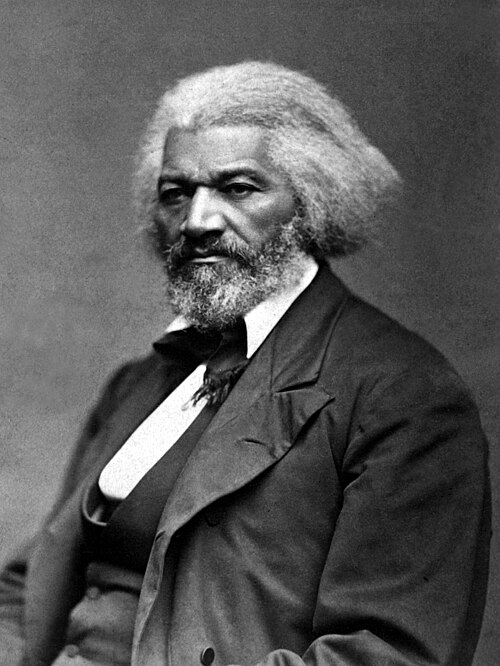
When Minty was a teenager, an overseer threw a heavy iron weight that struck her head, leaving her with lifelong headaches and sudden sleeping spells. Yet her determination and faith never wavered. In 1849, hearing she was about to be sold south, she walked nearly 145 kilometers (90 miles) through woods and marshes by night to reach freedom in Philadelphia!
To analyze these defining traits accurately, specialists examine (ih-man-suh-PAY-shuhn): The act of setting people free from slavery and legal bondage. Alongside (An Underground Railroad guide like Harriet Tubman who risked her own freedom to lead enslaved people to safety.), these specialized characteristics set Harriet Tubman’s Bravery apart within The Underground Railroad & Westward Expansion.
Field Observation & Evidence: Researchers studying Harriet Tubman’s Bravery observe how physical form matches function in History (American & Virginia). Each observable feature provides a clear advantage that supports stability, survival, or performance across changing conditions.
How It Works
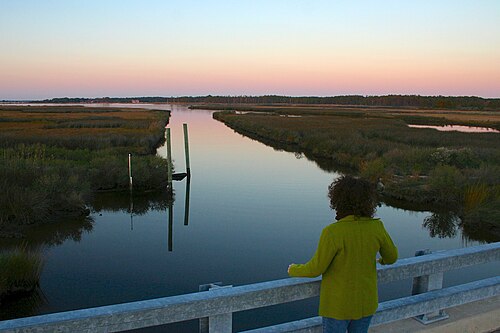
Once free, Harriet Tubman refused to stay safe while her family and friends remained enslaved. Over the next 11 years, despite a massive bounty on her head, she returned secretly to the Eastern Shore of Maryland roughly 13 times, personally rescuing about 70 enslaved family members and friends and giving instructions to dozens more!
This step-by-step process relies on (pronounced skowt), defined as: A person sent ahead to gather vital intelligence about terrain, river crossings, and enemy positions. Each stage of the process prepares the way for the next phase to unfold.
Cause-and-Effect Balance: When conditions remain balanced, and interact inside the to keep the system running smoothly. If any single link in this sequence is disrupted, the entire pace of activity shifts.
In Our World
Tubman was a master of disguise and woodland survival: she traveled in winter when nights were long, started journeys on Saturday nights so newspapers couldn’t print runaway notices until Monday, and used bird calls to signal waiting passengers. Later, during the Civil War, she served the Union Army as a nurse, , and spy—and in June 1863 became the first woman in US history to lead an armed military raid, freeing over 700 enslaved people at the Combahee River in South Carolina!
Understanding how Harriet Tubman’s Bravery functions in real environments also involves (ih-man-suh-PAY-shuhn): The act of setting people free from slavery and legal bondage. Even when surrounding conditions shift across seasons or regions, the interaction between , Emancipation, and helps sustain balance and resilience in the wider environment.
Global & Practical Significance: Leaving on Saturday nights gave freedom-seekers a 36-hour head start before Monday notices could be posted. Furthermore, Tubman’s intelligence scouting and leadership of the Combahee River Raid freed more than 700 people in South Carolina.
Amazing Facts
1. Remarkable Scale & Numbers: Speaking at a suffrage convention, Harriet Tubman proudly declared: "I was the of the Underground Railroad for eight years, and I can say what most conductors can’t say—I never ran my train off the track and I never lost a passenger!" This discovery highlights why Conductor is central to understanding Harriet Tubman’s Bravery.
2. Extraordinary Adaptation & Design: During the Civil War’s Combahee River Raid in 1863, Harriet Tubman guided three Union steamboats past Confederate river mines and liberated more than 700 enslaved people in a single morning! Specialized conditions involving make these adaptations possible.
3. Surprising Scientific & Historical Record: In her later years in Auburn, New York, Tubman donated her own land to open the Harriet Tubman Home for the Aged and campaigned alongside Susan B. Anthony for women’s right to vote. Over time, processes linked to leave a lasting mark across The Underground Railroad & Westward Expansion.
Read & Review
Chapter Synthesis: Throughout this investigation of Harriet Tubman’s Bravery in History (American & Virginia) (The Underground Railroad & Westward Expansion), we examined its core foundations, defining traits, step-by-step mechanisms, and real-world connections using key terms like , , and .
Academic Vocabulary Review: • (kuhn-DUK-ter): An Underground Railroad guide like Harriet Tubman who risked her own freedom to lead enslaved people to safety. • (ih-man-suh-PAY-shuhn): The act of setting people free from slavery and legal bondage. • (skowt): A person sent ahead to gather vital intelligence about terrain, river crossings, and enemy positions.
Critical Thinking Check: (1) Why did Harriet Tubman start many of her Underground Railroad rescue missions on Saturday nights in winter? — Winter nights were longer for traveling in darkness, and newspapers couldn’t print runaway notices until Monday morning. (2) What historic milestone did Harriet Tubman achieve in June 1863 during the American Civil War? — She became the first woman in US history to plan and lead an armed military expedition, liberating over 700 people in the Combahee River Raid.