Introduction
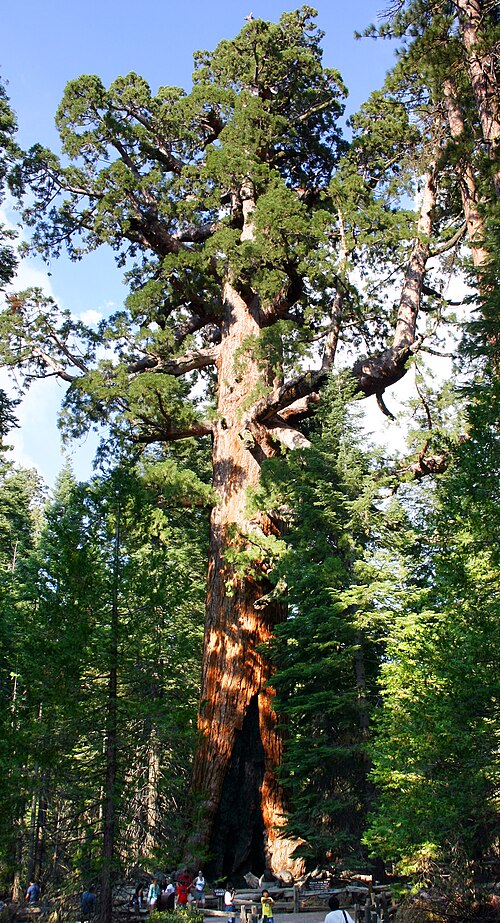
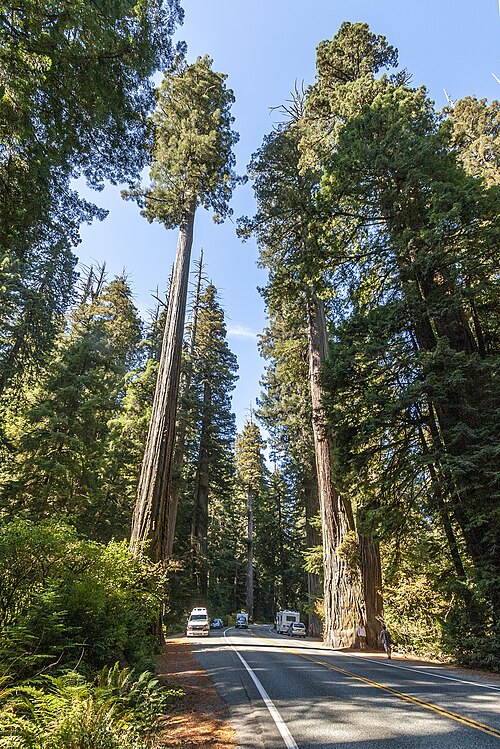
Along the misty coast and Sierra Nevada mountains of California stand the tallest and largest living things on Earth: Coast Redwoods and Giant Sequoias! Many of these ancient conifers sprouted more than 2,000 years ago and tower higher than a 30-story skyscraper.
A foundational concept in this investigation is (pronounced KON-uh-fer), which refers to: A cone-bearing tree with needle-like or scale-like evergreen leaves, such as a redwood, pine, or fir. Every part of Giant Redwood Trees within The Plant Kingdom builds upon this essential concept.
In Grade 3 Nature & Environment studies (The Plant Kingdom), understanding how , , and work together helps explain real-world patterns. As you read each chapter, notice how these key terms connect structure, process, and environment.
Key Features
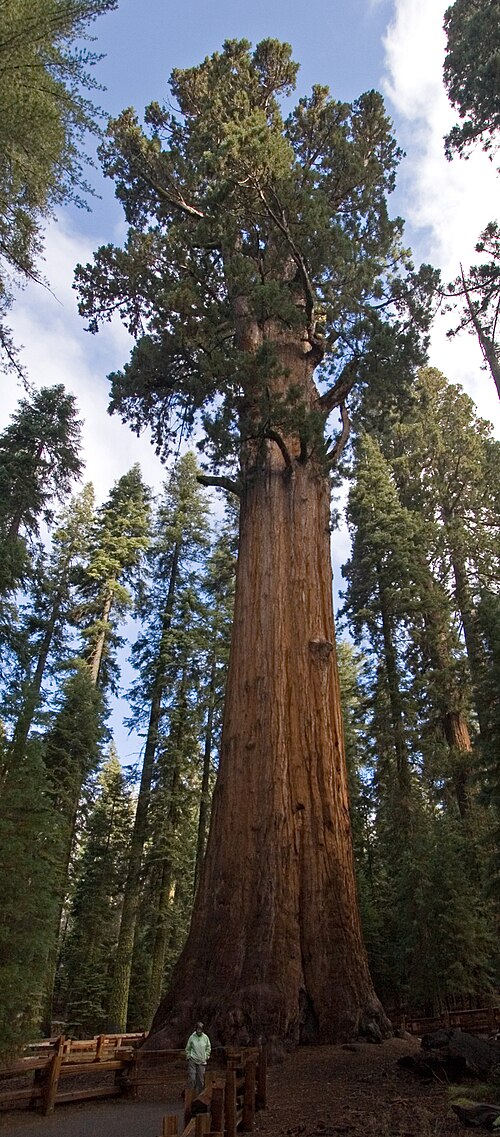
A Coast Redwood named Hyperion is the tallest known tree on Earth at 115.9 meters (380 feet)—taller than the Statue of Liberty! Meanwhile, a Giant Sequoia named General Sherman holds the record as the largest tree by trunk volume, weighing over 1,900 metric tons.
To analyze these defining traits accurately, specialists examine (TAN-in): A natural bitter compound in redwood bark that protects the tree against insects, fungi, and decay. Alongside (A cone-bearing tree with needle-like or scale-like evergreen leaves, such as a redwood, pine, or fir.), these specialized characteristics set Giant Redwood Trees apart within The Plant Kingdom.
Field Observation & Evidence: Researchers studying Giant Redwood Trees observe how physical form matches function in Nature & Environment. Each observable feature provides a clear advantage that supports stability, survival, or performance across changing conditions.
How It Works
How do giant trees survive for millennia? Their spongy, cinnamon-red bark grows up to 60 centimeters (2 feet) thick and contains bitter chemicals called tannins that resist fungal rot, wood-boring beetles, and forest fires. In fact, periodic low wildfires clear competing brush and pop open sequoia cones so seeds can sprout!
This step-by-step process relies on (pronounced KAN-uh-pee soyl), defined as: Soil formed high on the massive branches of old-growth redwoods from centuries of decaying needles. Each stage of the process prepares the way for the next phase to unfold.
Cause-and-Effect Balance: When conditions remain balanced, and interact inside the to keep the system running smoothly. If any single link in this sequence is disrupted, the entire pace of activity shifts.
In Our World
Coast redwoods get up to 40% of their water not from rain, but from thick summer coastal fog! Their needles trap fog droplets in the high canopy, which drip to the roots and can even be absorbed directly through the leaves.
Understanding how Giant Redwood Trees functions in real environments also involves (TAN-in): A natural bitter compound in redwood bark that protects the tree against insects, fungi, and decay. Even when surrounding conditions shift across seasons or regions, the interaction between , Tannin, and helps sustain balance and resilience in the wider environment.
Global & Practical Significance: Fibrous, -rich bark acts like a fireproof and bug-proof shield. Furthermore, Coastal fog drip supplies up to 40% of a redwood forest’s annual water.
Amazing Facts
1. Remarkable Scale & Numbers: Despite growing into the largest trees on Earth, a Giant Sequoia seed is no bigger than a single flake of oatmeal! This discovery highlights why is central to understanding Giant Redwood Trees.
2. Extraordinary Adaptation & Design: Redwood roots only go about 3 to 4 meters deep, but they spread 30 meters outward and intertwine with neighboring redwoods to hold each other up in storms. Specialized conditions involving make these adaptations possible.
3. Surprising Scientific & Historical Record: High in the branches of a single ancient redwood, decayed needles form "" thick enough for ferns, huckleberry bushes, and wandering salamanders to live 90 meters off the ground! Over time, processes linked to Canopy Soil leave a lasting mark across The Plant Kingdom.
Read & Review
Chapter Synthesis: Throughout this investigation of Giant Redwood Trees in Nature & Environment (The Plant Kingdom), we examined its core foundations, defining traits, step-by-step mechanisms, and real-world connections using key terms like , , and .
Academic Vocabulary Review: • (KON-uh-fer): A cone-bearing tree with needle-like or scale-like evergreen leaves, such as a redwood, pine, or fir. • (TAN-in): A natural bitter compound in redwood bark that protects the tree against insects, fungi, and decay. • (KAN-uh-pee soyl): Soil formed high on the massive branches of old-growth redwoods from centuries of decaying needles.
Critical Thinking Check: (1) How does the thick, spongy bark of a Giant Sequoia or Coast Redwood help it live for over 2,000 years? — It is up to 2 feet thick and rich in tannins, protecting the tree from fire, insects, and rot. (2) How do Coast Redwoods get moisture during dry California summers? — Their high needles capture and absorb water from coastal fog.