Introduction
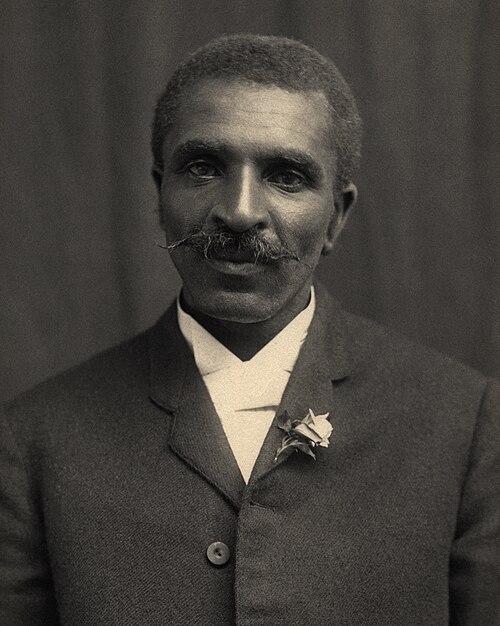
Born into slavery in Diamond, Missouri, around 1864, George Washington Carver grew up with an unquenchable love for plants and nature—earning the childhood nickname "The Plant Doctor" before becoming one of America’s greatest agricultural scientists, inventors, and educators!
An important word to know in this book is (krop roh-TAY-shuhn). Crop Rotation means: Planting different types of crops in the same field across seasons (such as alternating cotton with peanuts) to keep soil healthy and fertile. Learning about Crop Rotation helps us understand how George Washington Carver fits into Inventors & Scientists.
Key Features
After earning his bachelor’s and master’s degrees in and agriculture at Iowa State Agricultural College (as its first Black student and faculty member), Carver was invited by Booker T. Washington in 1896 to lead the Agriculture Department at Tuskegee Institute in Alabama, where he taught for 47 years.
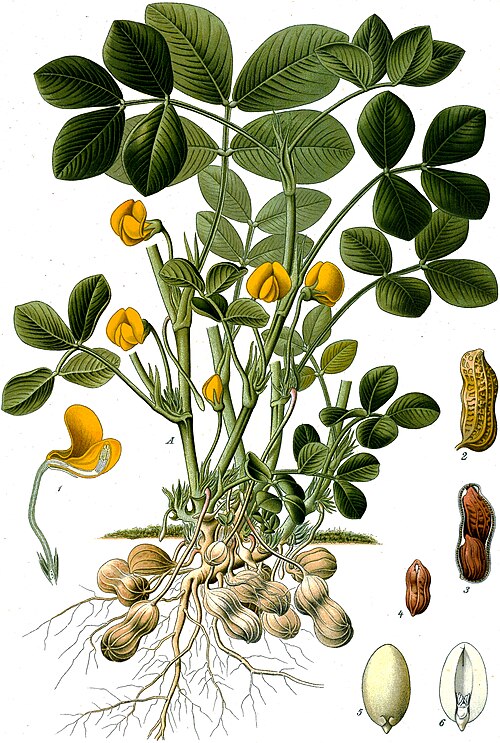
Scientists and explorers also look closely at (LEG-yoom), which means: A plant family—including peanuts, beans, peas, and clover—whose roots host bacteria that put nitrogen fertilizer back into soil. These special traits make George Washington Carver easy to spot and study.
How It Works
Across the South, decades of planting only cotton year after year had drained the soil of nitrogen and left fields vulnerable to the destructive boll weevil beetle. Carver championed ! He taught farmers to alternate cotton with nitrogen-fixing legumes—especially peanuts, sweet potatoes, soybeans, and cowpeas—which naturally restored nitrogen to the exhausted soil!
Here is another helpful term: (BOT-uh-nee). It means: The scientific study of plants, including their structure, growth, diseases, and uses. Step by step, and Botany work together in nature.
In Our World
To make sure farmers had plenty of buyers for their new crops, Carver developed over 300 useful products from peanuts (including cooking oils, soaps, dyes, plastics, milk substitutes, and cosmetics) and over 100 products from sweet potatoes (including flour, glue for postage stamps, and vinegar)! He even designed the "Jesup Agricultural Wagon"—a horse-drawn mobile classroom that brought hands-on soil science straight to rural farmers.
Understanding how George Washington Carver works in our world also involves (LEG-yoom): A plant family—including peanuts, beans, peas, and clover—whose roots host bacteria that put nitrogen fertilizer back into soil. Even when surrounding conditions shift across seasons or regions, the interaction between , Legume, and helps sustain balance and resilience in the wider environment.
Amazing Facts
Amazing Fact #1: Although George Washington Carver developed over 300 products from peanuts, he actually did NOT invent peanut butter (which dates back to the ancient Aztecs and Incas)!
Amazing Fact #2: Carver refused to patent almost all of his agricultural discoveries, saying: "God gave them to me; how can I sell them to someone else?"
Amazing Fact #3: Carver’s mobile "Jesup Wagon" laboratory was so effective that the US Department of Agriculture modeled its nationwide Cooperative Extension Service after his design!
Read & Review
Let's review what we discovered about George Washington Carver! In this book, we explored how , , and connect to Inventors & Scientists.
Key Question #1: Why did George Washington Carver urge Southern farmers to rotate cotton crops with peanuts, soybeans, and sweet potatoes? Answer: Growing only cotton depleted the soil of nitrogen, whereas legumes like peanuts naturally restore nitrogen to the soil and provide extra income. Nitrogen-fixing bacteria in peanut and soybean root nodules replenish soil fertility exhausted by cotton monoculture.
Key Question #2: Why did Carver invent over 300 products from peanuts and 100 products from sweet potatoes in his Tuskegee lab? Answer: To create commercial demand and markets for the new soil-saving crops farmers were growing. By discovering hundreds of industrial and household uses for peanuts and sweet potatoes, Carver ensured farmers could sell their harvests.