Introduction
Every vertebrate’s outer covering is engineered for its lifestyle: mammals grow insulating hair or fur to trap body heat, while reptiles and fish wear overlapping scales for armor and moisture control. When night falls, nocturnal specialists use supercharged senses to rule the dark.
A foundational concept in this investigation is (pronounced tuh-PEE-tuhm LOO-suh-duhm), which refers to: A reflective mirror-like layer at the back of a nocturnal animal’s eye that bounces light back through the retina for night vision. Every part of Fur vs. Scales & Nocturnal Animals within Classification & Anatomy builds upon this essential concept.
In Grade 3 Animals studies (Classification & Anatomy), understanding how , , and work together helps explain real-world patterns. As you read each chapter, notice how these key terms connect structure, process, and environment.
Key Features
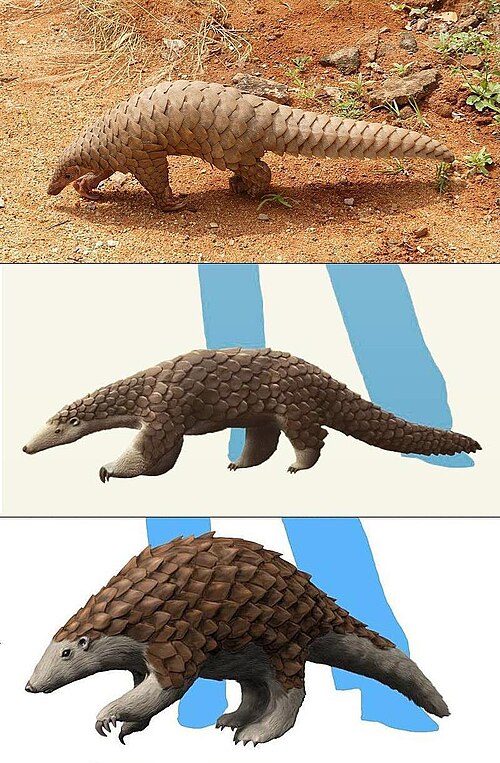
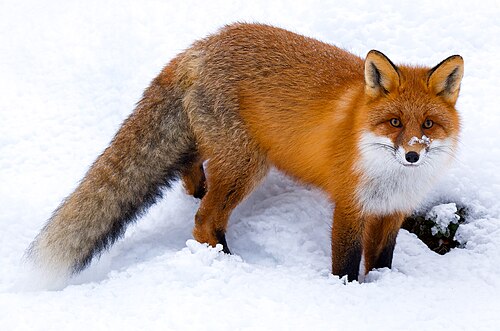
Mammal fur has two layers: a dense, woolly that traps warm air and longer, water-repellent guard hairs on top. Reptile scales are folded plates of tough beta- that prevent dehydration. Remarkably, the pangolin is the only mammal covered in overlapping keratin scales!
To analyze these defining traits accurately, specialists examine (KAIR-uh-tin): The tough structural protein that builds both mammal fur/hair and reptile scales. Alongside (A reflective mirror-like layer at the back of a nocturnal animal’s eye that bounces light back through the retina for night vision.), these specialized characteristics set Fur vs. Scales & Nocturnal Animals apart within Classification & Anatomy.
Field Observation & Evidence: Researchers studying Fur vs. Scales & Nocturnal Animals observe how physical form matches function in Animals. Each observable feature provides a clear advantage that supports stability, survival, or performance across changing conditions.
How It Works
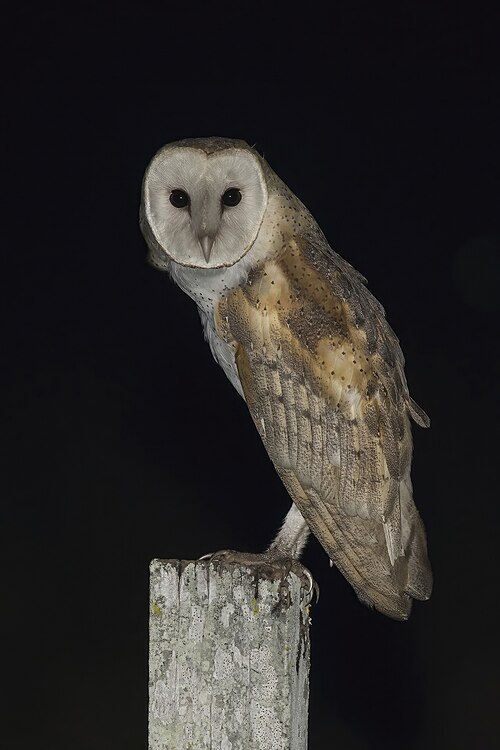
Nocturnal hunters like barn owls, tarsiers, and cats see in dim starlight thanks to giant pupils, rod-packed retinas, and a mirror-like layer behind the retina called the that reflects light a second time. Barn owls also have asymmetrical ear openings to pinpoint prey in total darkness.
This step-by-step process relies on (pronounced UN-der-koht), defined as: The soft, dense inner layer of mammal fur that traps warm air close to the skin. Each stage of the process prepares the way for the next phase to unfold.
Cause-and-Effect Balance: When conditions remain balanced, and interact inside the to keep the system running smoothly. If any single link in this sequence is disrupted, the entire pace of activity shifts.
In Our World
More than 65% of all mammal species are nocturnal, emerging after sunset to avoid daytime predators and heat. Owl flight feathers even have comb-like serrated edges that break up air turbulence so they can swoop down in complete silence.
Understanding how Fur vs. Scales & Nocturnal Animals functions in real environments also involves (KAIR-uh-tin): The tough structural protein that builds both mammal fur/hair and reptile scales. Even when surrounding conditions shift across seasons or regions, the interaction between , Keratin, and helps sustain balance and resilience in the wider environment.
Global & Practical Significance: The reflects unabsorbed light back across rod cells to boost night vision. Furthermore, Pangolins are warm-blooded mammals armored with protective scales.
Amazing Facts
1. Remarkable Scale & Numbers: A sea otter has the densest fur of any animal on Earth—up to 150,000 hairs per square centimeter (nearly 1 million hairs per square inch)! This discovery highlights why is central to understanding Fur vs. Scales & Nocturnal Animals.
2. Extraordinary Adaptation & Design: A barn owl’s left ear opening is higher than its right ear, allowing its brain to calculate the exact height and distance of a mouse under snow. Specialized conditions involving make these adaptations possible.
3. Surprising Scientific & Historical Record: The pangolin is a scaly mammal that rolls into an armor-plated ball so tough that even a lion’s teeth cannot bite through its scales. Over time, processes linked to leave a lasting mark across Classification & Anatomy.
Read & Review
Chapter Synthesis: Throughout this investigation of Fur vs. Scales & Nocturnal Animals in Animals (Classification & Anatomy), we examined its core foundations, defining traits, step-by-step mechanisms, and real-world connections using key terms like , , and .
Academic Vocabulary Review: • (tuh-PEE-tuhm LOO-suh-duhm): A reflective mirror-like layer at the back of a nocturnal animal’s eye that bounces light back through the retina for night vision. • (KAIR-uh-tin): The tough structural protein that builds both mammal fur/hair and reptile scales. • (UN-der-koht): The soft, dense inner layer of mammal fur that traps warm air close to the skin.
Critical Thinking Check: (1) Why do a cat’s or raccoon’s eyes appear to glow when a flashlight shines on them at night? — Light bounces off the reflective layer behind the retina. (2) Which unusual animal is the only mammal in the world covered in overlapping scales? — The pangolin.