Introduction
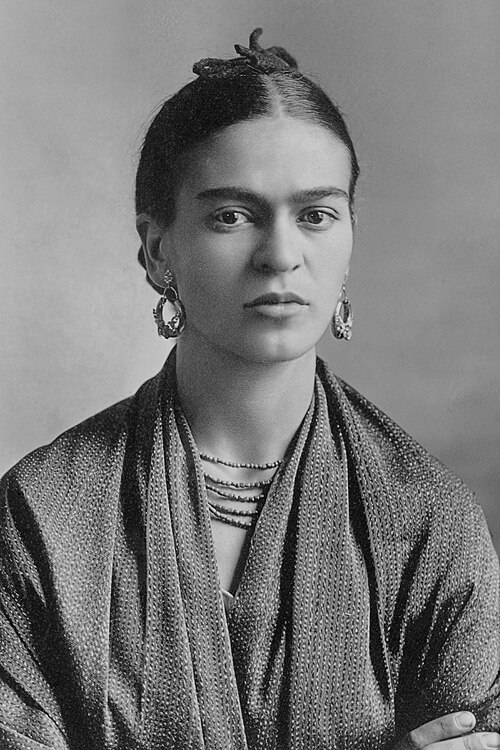
Known around the world for her vibrant self-portraits surrounded by Mexican wildflowers, spider monkeys, parrots, and , Mexican painter Frida Kahlo (1907–1954) turned lifelong physical pain into bold, unforgettable art that celebrated Indigenous Mexican culture and resilience!
A foundational concept in this investigation is (pronounced self POR-trit), which refers to: A painting, drawing, or sculpture that an artist creates of his or her own face and identity. Every part of Frida Kahlo within Artists & Storytellers builds upon this essential concept.
In Grade 5 advanced nonfiction inquiry across Famous People (Movers & Shakers) (Artists & Storytellers), synthesizing primary evidence around , , and reveals how complex systems operate and adapt over time.
Key Features
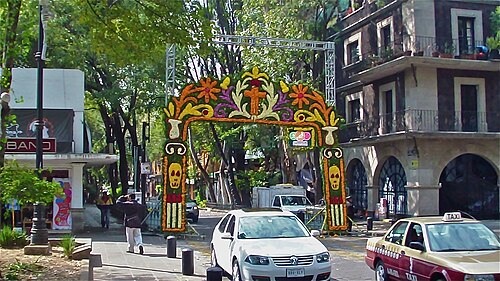
Frida grew up in Coyoacán, Mexico City, inside a cobalt-blue family home known as La Casa Azul ("The Blue House"). At age 6 she contracted polio, and at age 18—while planning to study medicine to become a doctor—she survived a devastating bus accident that broke her spine, collarbone, ribs, and leg.
To analyze these defining traits accurately, specialists examine (SIM-buh-liz-uhm): Using visual objects in art—such as roots, ribbons, or animals—to represent deeper feelings, heritage, and ideas. Alongside (A painting, drawing, or sculpture that an artist creates of his or her own face and identity.), these specialized characteristics set Frida Kahlo apart within Artists & Storytellers.
Field Observation & Evidence: Researchers studying Frida Kahlo observe how physical form matches function in Famous People (Movers & Shakers). Each observable feature provides a clear advantage that supports stability, survival, or performance across changing conditions.
How It Works
Confined to bed for months in a full-body plaster cast, Frida’s parents hung a mirror inside the canopy above her bed and her mother made her a special lap easel so she could paint lying down! Looking into the mirror, Frida began painting deeply honest self-portraits, later explaining: "I paint myself because I am so often alone and because I am the subject I know best."
This step-by-step process relies on (pronounced fohk art), defined as: Traditional decorative art, textiles, pottery, and crafts rooted in the everyday culture of a community. Each stage of the process prepares the way for the next phase to unfold.
Cause-and-Effect Balance: When conditions remain balanced, and interact inside the to keep the system running smoothly. If any single link in this sequence is disrupted, the entire pace of activity shifts.
In Our World
Instead of copying European styles, Frida proudly wore traditional Tehuana dresses from Oaxaca, braided bright ribbons and bougainvillea flowers into her hair, and filled her paintings with pre-Columbian Aztec symbols, tropical plants, and Mexican pets (xoloitzcuintli dogs, monkeys, and macaws). Today, La Casa Azul is the Frida Kahlo Museum, inspiring millions of visitors with her motto painted on her final watermelon still life: Viva la Vida ("Long Live Life")!
Understanding how Frida Kahlo functions in real environments also involves (SIM-buh-liz-uhm): Using visual objects in art—such as roots, ribbons, or animals—to represent deeper feelings, heritage, and ideas. Even when surrounding conditions shift across seasons or regions, the interaction between , Symbolism, and helps sustain balance and resilience in the wider environment.
Global & Practical Significance: With a mirror above her bed and a custom easel, Kahlo turned her recovery into the start of her artistic career. Furthermore, Kahlo championed Mexican identity (Mexicanidad), , and Indigenous heritage.
Amazing Facts
1. Remarkable Scale & Numbers: Of the roughly 143 paintings Frida Kahlo created during her life, 55 are self-portraits—many begun using the mirror mounted above her hospital bed! This discovery highlights why is central to understanding Frida Kahlo.
2. Extraordinary Adaptation & Design: Just eight days before she passed away in 1954, Frida painted bright red slice of watermelon inscribed with the joyful words "VIVA LA VIDA" ("Long Live Life"). Specialized conditions involving make these adaptations possible.
3. Surprising Scientific & Historical Record: Frida kept an amazing menagerie of pets in the courtyard of La Casa Azul, including spider monkeys named Fulang-Chang and Caimito, an Amazon parrot, a fawn, and hairless Xolo dogs! Over time, processes linked to leave a lasting mark across Artists & Storytellers.
Read & Review
Chapter Synthesis: Throughout this investigation of Frida Kahlo in Famous People (Movers & Shakers) (Artists & Storytellers), we examined its core foundations, defining traits, step-by-step mechanisms, and real-world connections using key terms like , , and .
Academic Vocabulary Review: • (self POR-trit): A painting, drawing, or sculpture that an artist creates of his or her own face and identity. • (SIM-buh-liz-uhm): Using visual objects in art—such as roots, ribbons, or animals—to represent deeper feelings, heritage, and ideas. • (fohk art): Traditional decorative art, textiles, pottery, and crafts rooted in the everyday culture of a community.
Critical Thinking Check: (1) How did Frida Kahlo begin painting her famous self-portraits at age 18? — While recovering in bed from a severe bus accident, her parents placed a mirror in her bed canopy and gave her a lap easel. (2) What cultural traditions did Frida Kahlo proudly celebrate in her clothing and paintings? — Indigenous Mexican , Tehuana dresses, native plants, and Mexican wildlife.