Introduction
Across North America, Indigenous nations developed rich cultures shaped by the geography, climate, and natural resources of their homelands! Comparing the Eastern Woodlands tribes (from the Atlantic coast to the Mississippi River) with the Great Plains tribes (across the vast central grasslands) shows how deeply environment shapes daily life.
A foundational concept in this investigation is (pronounced LAWNG-hows), which refers to: A large, permanent wooden and bark-covered dwelling built by Eastern Woodlands nations like the Haudenosaunee. Every part of Eastern Woodlands vs. Plains Indians Life within Indigenous Peoples builds upon this essential concept.
In Grade 5 advanced nonfiction inquiry across History (American & Virginia) (Indigenous Peoples), synthesizing primary evidence around , , and reveals how complex systems operate and adapt over time.

Key Features
The Eastern Woodlands had dense oak, pine, and birch forests, abundant rainfall, and rivers. Tribes like the Haudenosaunee (Iroquois), Powhatan, and Cherokee lived in permanent villages of wooden longhouses or wigwams, traveled by birchbark or dugout canoes, and farmed corn, beans, and squash alongside hunting deer.
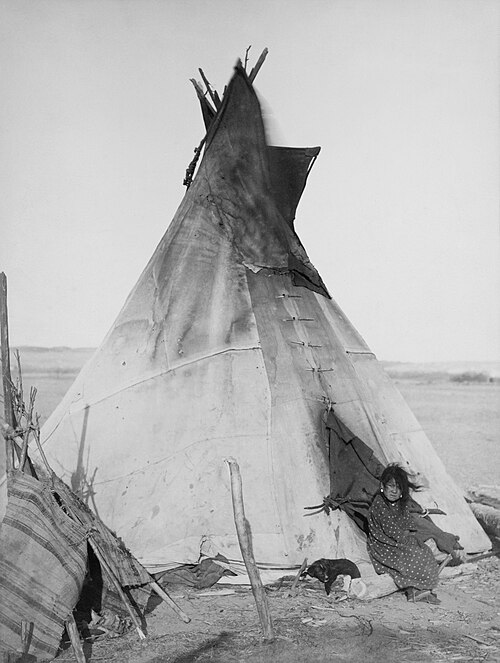
To analyze these defining traits accurately, specialists examine (TEE-pee): A portable, cone-shaped tent made of wooden poles and buffalo hides used by Great Plains tribes following bison herds. Alongside (A large, permanent wooden and bark-covered dwelling built by Eastern Woodlands nations like the Haudenosaunee.), these specialized characteristics set Eastern Woodlands vs. Plains Indians Life apart within Indigenous Peoples.
Field Observation & Evidence: Researchers studying Eastern Woodlands vs. Plains Indians Life observe how physical form matches function in History (American & Virginia). Each observable feature provides a clear advantage that supports stability, survival, or performance across changing conditions.
How It Works
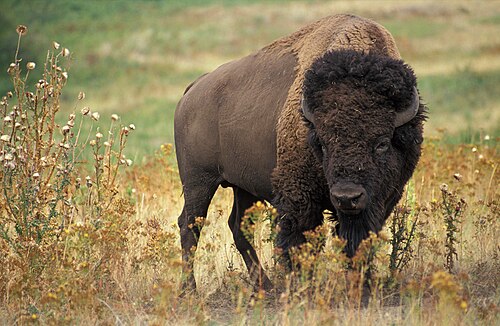
In contrast, the Great Plains stretched across dry, windy prairies teeming with millions of American bison (buffalo). and semi-nomadic Plains nations—such as the Lakota (Sioux), Cheyenne, Comanche, and Blackfeet—engineered cone-shaped tipis from wooden lodgepoles and stitched bison hides that could be packed up onto a travois sled in minutes to follow migrating bison herds!
This step-by-step process relies on (pronounced noh-MAD-ik), defined as: Moving seasonal camps from place to place to follow migrating wildlife rather than staying in one fixed village all year. Each stage of the process prepares the way for the next phase to unfold.
Cause-and-Effect Balance: When conditions remain balanced, and interact inside the to keep the system running smoothly. If any single link in this sequence is disrupted, the entire pace of activity shifts.
In Our World
Plains families honored the bison by using every single part with zero waste: thick hides became warm winter robes, covers, and moccasins; meat was dried into nutritious pemmican mixed with berries; bones became tools and scrapers; and sinew tendons became strong bowstrings and thread.
Understanding how Eastern Woodlands vs. Plains Indians Life functions in real environments also involves (TEE-pee): A portable, cone-shaped tent made of wooden poles and buffalo hides used by Great Plains tribes following bison herds. Even when surrounding conditions shift across seasons or regions, the interaction between , Tipi, and helps sustain balance and resilience in the wider environment.
Global & Practical Significance: Housing designs matched each region’s geography, resources, and foodways. Furthermore, Every part of the American bison was used respectfully for survival on the Great Plains.
Amazing Facts
1. Remarkable Scale & Numbers: A traditional Plains was engineered like a natural air conditioner and chimney: tilting the top smoke flaps adjusted airflow for any wind direction! This discovery highlights why is central to understanding Eastern Woodlands vs. Plains Indians Life.
2. Extraordinary Adaptation & Design: Haudenosaunee (Iroquois) wooden longhouses in the Eastern Woodlands could stretch over 60 meters (200 feet) long, housing an entire extended clan under one elm-bark roof. Specialized conditions involving make these adaptations possible.
3. Surprising Scientific & Historical Record: Pemmican—made by Plains tribes from dried powdered bison meat, melted fat, and tart chokecherries—could stay fresh and edible for several years without refrigeration! Over time, processes linked to leave a lasting mark across Indigenous Peoples.
Read & Review
Chapter Synthesis: Throughout this investigation of Eastern Woodlands vs. Plains Indians Life in History (American & Virginia) (Indigenous Peoples), we examined its core foundations, defining traits, step-by-step mechanisms, and real-world connections using key terms like , , and .
Academic Vocabulary Review: • (LAWNG-hows): A large, permanent wooden and bark-covered dwelling built by Eastern Woodlands nations like the Haudenosaunee. • (TEE-pee): A portable, cone-shaped tent made of wooden poles and buffalo hides used by Great Plains tribes following bison herds. • (noh-MAD-ik): Moving seasonal camps from place to place to follow migrating wildlife rather than staying in one fixed village all year.
Critical Thinking Check: (1) Why did many Great Plains tribes build portable tipis while Eastern Woodlands tribes built permanent wooden longhouses and wigwams? — Plains tribes moved seasonally across grasslands to follow migrating bison herds, while Woodlands tribes farmed and fished near permanent forest rivers. (2) Which animal was central to food, clothing, tools, and shelter for the tribes of the Great Plains? — The American bison (buffalo).