Introduction
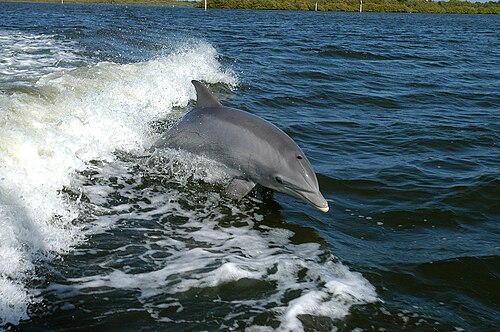
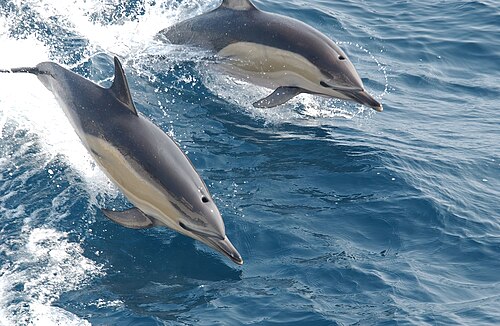
Leaping high into the air and surfing ocean waves, dolphins are among the most intelligent, playful, and communicative animals on Earth! As warm-blooded marine mammals, dolphins breathe air through a on top of their heads and live in cooperative social groups called pods.
A foundational concept in this investigation is (pronounced SIG-nuh-chur WIS-uhl), which refers to: A unique, individually distinctive whistle contour that a dolphin uses like a personal name to identify itself to its pod. Every part of Dolphins: Acrobats & Genius Communicators within 🌊 Ocean Giants & Apex Predators builds upon this essential concept.
In Grade 5 advanced nonfiction inquiry across Animals (🌊 Ocean Giants & Apex Predators), synthesizing primary evidence around , , and reveals how complex systems operate and adapt over time.
Key Features
Bottlenose dolphins have sleek, torpedo-shaped bodies, a curved mouth that creates a permanent "smile," and a fatty organ in their forehead called the . The melon acts like an acoustic lens, focusing high-frequency sonar clicks into a beam to scan murky water in 3D.
To analyze these defining traits accurately, specialists examine (MEL-uhn): A rounded, lipid-filled organ in the forehead of dolphins and toothed whales that focuses outgoing echolocation clicks. Alongside (A unique, individually distinctive whistle contour that a dolphin uses like a personal name to identify itself to its pod.), these specialized characteristics set Dolphins: Acrobats & Genius Communicators apart within 🌊 Ocean Giants & Apex Predators.
Field Observation & Evidence: Researchers studying Dolphins: Acrobats & Genius Communicators observe how physical form matches function in Animals. Each observable feature provides a clear advantage that supports stability, survival, or performance across changing conditions.
How It Works
Every bottlenose dolphin invents its own unique "" when it is a calf—acting just like a spoken human name! Dolphins can call a specific friend across miles of ocean by copying that friend’s signature whistle. Because dolphins must consciously remember to breathe air, they sleep using unihemispheric slow-wave sleep: one half of their brain sleeps while the other half stays awake to surface for air and watch for sharks!
This step-by-step process relies on (pronounced yoo-nih-hem-ih-SFER-ik sleep), defined as: Sleeping with one cerebral hemisphere of the brain at a time while the other half remains awake to breathe and swim. Each stage of the process prepares the way for the next phase to unfold.
Cause-and-Effect Balance: When conditions remain balanced, and interact inside the to keep the system running smoothly. If any single link in this sequence is disrupted, the entire pace of activity shifts.
In Our World
Different dolphin pods invent clever local hunting tools and games: in Shark Bay, Australia, dolphins wear conical marine sponges over their snouts like protective gloves while probing sharp coral for fish; in Florida, dolphins swim in tight circles beating their tails against the mud to trap mullet inside a "mud ring" net!
Understanding how Dolphins: Acrobats & Genius Communicators functions in real environments also involves (MEL-uhn): A rounded, lipid-filled organ in the forehead of dolphins and toothed whales that focuses outgoing echolocation clicks. Even when surrounding conditions shift across seasons or regions, the interaction between , Melon, and helps sustain balance and resilience in the wider environment.
Global & Practical Significance: Unihemispheric slow-wave sleep lets dolphins rest half their brain while continuing to surface for air. Furthermore, Calves develop a unique early in life and respond when another dolphin imitates it.
Amazing Facts
1. Remarkable Scale & Numbers: Bottlenose dolphins are the only non-human animals known to address each other by individual learned "names" (signature whistles) and remember a friend’s whistle after 20 years apart! This discovery highlights why is central to understanding Dolphins: Acrobats & Genius Communicators.
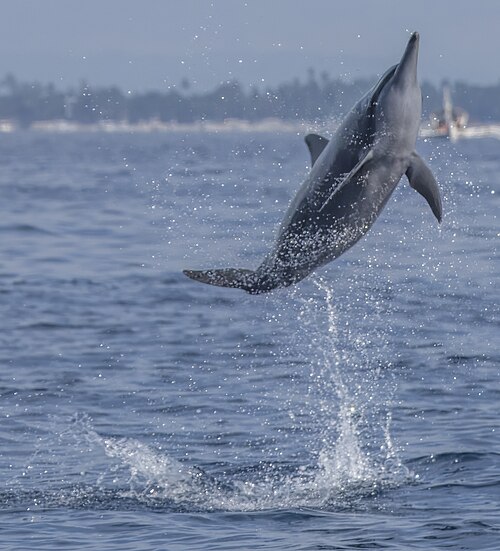
2. Extraordinary Adaptation & Design: Spinner dolphins can leap 3 meters (10 feet) out of the water and spin like a top up to 7 times in a single jump to shake off parasites and communicate with their pod! Specialized conditions involving make these adaptations possible.
3. Surprising Scientific & Historical Record: When a dolphin sleeps, one eye stays open and one half of its brain stays alert, switching sides every couple of hours so it never drowns. Over time, processes linked to leave a lasting mark across 🌊 Ocean Giants & Apex Predators.
Read & Review
Chapter Synthesis: Throughout this investigation of Dolphins: Acrobats & Genius Communicators in Animals (🌊 Ocean Giants & Apex Predators), we examined its core foundations, defining traits, step-by-step mechanisms, and real-world connections using key terms like , , and .
Academic Vocabulary Review: • (SIG-nuh-chur WIS-uhl): A unique, individually distinctive whistle contour that a dolphin uses like a personal name to identify itself to its pod. • (MEL-uhn): A rounded, lipid-filled organ in the forehead of dolphins and toothed whales that focuses outgoing echolocation clicks. • (yoo-nih-hem-ih-SFER-ik sleep): Sleeping with one cerebral hemisphere of the brain at a time while the other half remains awake to breathe and swim.
Critical Thinking Check: (1) How does a bottlenose dolphin sleep in the ocean without drowning? — Only half of its brain sleeps at a time () while the other half stays awake to breathe. (2) What is a dolphin’s ""? — A unique personal whistle that acts like an individual name so pod members can call each other.