Introduction
Deserts receive less than 25 centimeters (10 inches) of rain each year, yet specialized desert animals thrive in blazing daytime heat and freezing nights. Creatures like the fennec fox, dromedary camel, and kangaroo rat have evolved body structures and behaviors to conserve every drop of water.
An important word to know in this book is (nok-TUR-nuhl). Nocturnal means: Active at night and sleeping during the hot daytime hours. Learning about Nocturnal helps us understand how Desert Survivors fits into Animal Habitats.
Key Features
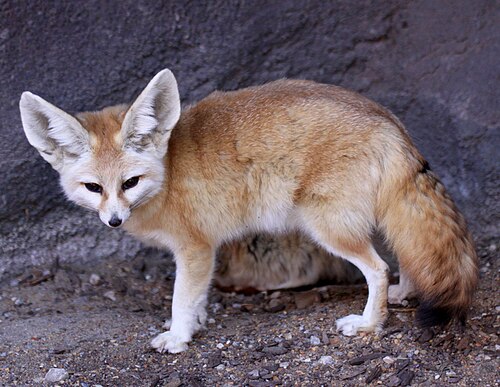
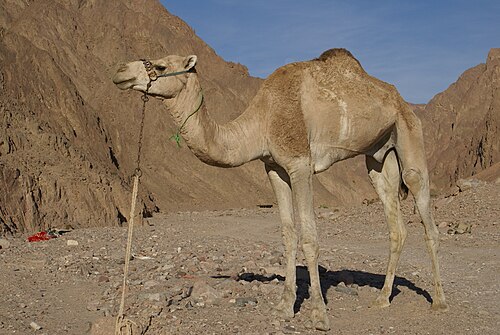
The fennec fox has enormous 15-centimeter ears packed with blood vessels that radiate excess body heat into the air. Dromedary camels store energy-rich fat in their humps, have two rows of long eyelashes, and can close their nostrils during blinding sandstorms.
Scientists and explorers also look closely at (ad-ap-TAY-shuhn), which means: A physical trait or behavior that helps a living thing survive in its environment. These special traits make Desert Survivors easy to spot and study.
How It Works
To beat the heat, most desert animals are or crepuscular, resting in cool underground burrows during the day. Kangaroo rats have super-efficient kidneys and extract all the water they need directly from dry seeds through metabolic water production.
Here is another helpful term: (BUR-oh). It means: An underground tunnel or hole dug by an animal for shelter and cool temperatures. Step by step, and Burrow work together in nature.
In Our World
Major hot deserts include the Sahara in North Africa, the Sonoran and Mojave Deserts in North America, and the Australian Outback. Cold deserts like the Gobi in Asia also test animal survival with icy winds and scarce water.
Understanding how Desert Survivors works in our world also involves (ad-ap-TAY-shuhn): A physical trait or behavior that helps a living thing survive in its environment. Even when surrounding conditions shift across seasons or regions, the interaction between , Adaptation, and helps sustain balance and resilience in the wider environment.
Amazing Facts
Amazing Fact #1: A dromedary camel can drink up to 113 liters (30 gallons) of water in just 13 minutes!
Amazing Fact #2: Fennec foxes have thick fur on the soles of their feet so they can walk on scorching desert sand like natural snowshoes.
Amazing Fact #3: The thorny devil lizard of Australia drinks water through tiny grooves between its scales that channel morning dew straight to its mouth.
Read & Review
Let's review what we discovered about Desert Survivors! In this book, we explored how , , and connect to Animal Habitats.
Key Question #1: What is stored inside a camel’s hump? Answer: Energy-rich fat. Camels store fat in their humps, which their bodies break down for energy and metabolic water.
Key Question #2: How do a fennec fox’s huge ears help it survive in the Sahara? Answer: They release excess body heat and hear prey underground. Blood vessels in the fennec fox’s large ears cool its blood and pinpoint insects moving under the sand.