Introduction
Most plants soak up minerals from rich soil—but in acidic bogs and swamps where nitrogen is scarce, carnivorous plants turn the tables and trap insects! The Venus flytrap, pitcher plant, and sundew still make sugar from sunlight, but use bugs as natural vitamin pills.
A foundational concept in this investigation is (pronounced kar-NIV-er-uhs plant), which refers to: A plant adapted to nutrient-poor bogs that traps and digests insects for nitrogen and phosphorus. Every part of Carnivorous Plants: Venus Flytraps within The Plant Kingdom builds upon this essential concept.
In Grade 3 Nature & Environment studies (The Plant Kingdom), understanding how , , and work together helps explain real-world patterns. As you read each chapter, notice how these key terms connect structure, process, and environment.
Key Features
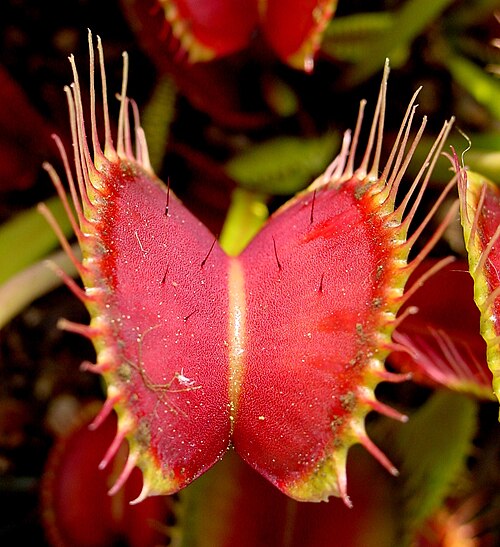
The Venus flytrap grows native only in the coastal bogs of North and South Carolina. Each hinged leaf trap is lined with stiff interlocking teeth (cilia), sweet nectar glands along the rim, and three to six microscopic trigger hairs on the reddish inner pads.
To analyze these defining traits accurately, specialists examine (TRIG-er hair): A tiny mechanosensory bristle inside a Venus flytrap lobe that generates an electrical impulse when touched twice. Alongside (A plant adapted to nutrient-poor bogs that traps and digests insects for nitrogen and phosphorus.), these specialized characteristics set Carnivorous Plants: Venus Flytraps apart within The Plant Kingdom.
Field Observation & Evidence: Researchers studying Carnivorous Plants: Venus Flytraps observe how physical form matches function in Nature & Environment. Each observable feature provides a clear advantage that supports stability, survival, or performance across changing conditions.
How It Works
How does a plant with no brain or muscles snap shut in a tenth of a second? AVenus flytrap actually counts! If a raindrop hits one , nothing happens. Only when a crawling fly touches a hair twice within 20 seconds does an electrical signal cause water to rush between leaf cells, flipping the trap shut!
This step-by-step process relies on (pronounced EN-zyme), defined as: A special biological protein that speeds up chemical reactions, such as breaking down an insect’s body for nutrients. Each stage of the process prepares the way for the next phase to unfold.
Cause-and-Effect Balance: When conditions remain balanced, and interact inside the to keep the system running smoothly. If any single link in this sequence is disrupted, the entire pace of activity shifts.
In Our World
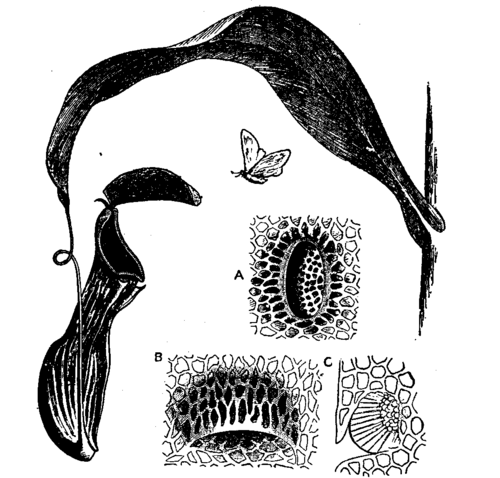
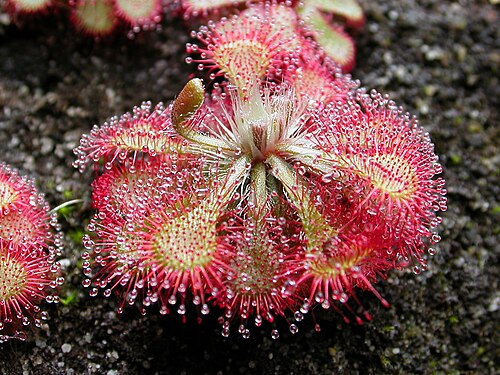
Other carnivorous plants use different traps: pitcher plants lure insects into deep, slippery, -filled jugs, sundews catch gnats on glittering droplets of sticky glue, and underwater bladderworts suck in tiny water fleas like vacuum cleaners.
Understanding how Carnivorous Plants: Venus Flytraps functions in real environments also involves (TRIG-er hair): A tiny mechanosensory bristle inside a Venus flytrap lobe that generates an electrical impulse when touched twice. Even when surrounding conditions shift across seasons or regions, the interaction between , Trigger Hair, and helps sustain balance and resilience in the wider environment.
Global & Practical Significance: Requiring two touches within 20 seconds confirms that a real, moving insect is inside the trap. Furthermore, Carnivorous plants make sugar via photosynthesis and digest insects for mineral nutrients missing from bog soil.
Amazing Facts
1. Remarkable Scale & Numbers: Charles Darwin was so fascinated by the Venus flytrap that he called it "one of the most wonderful plants in the world"! This discovery highlights why is central to understanding Carnivorous Plants: Venus Flytraps.
2. Extraordinary Adaptation & Design: After snapping shut, the flytrap waits for 5 more hair touches from the struggling insect before sealing tight and releasing digestive enzymes. Specialized conditions involving make these adaptations possible.
3. Surprising Scientific & Historical Record: Each individual Venus flytrap leaf can open and close only about 4 to 7 times before it retires and focuses strictly on photosynthesis. Over time, processes linked to leave a lasting mark across The Plant Kingdom.
Read & Review
Chapter Synthesis: Throughout this investigation of Carnivorous Plants: Venus Flytraps in Nature & Environment (The Plant Kingdom), we examined its core foundations, defining traits, step-by-step mechanisms, and real-world connections using key terms like , , and .
Academic Vocabulary Review: • (kar-NIV-er-uhs plant): A plant adapted to nutrient-poor bogs that traps and digests insects for nitrogen and phosphorus. • (TRIG-er hair): A tiny mechanosensory bristle inside a Venus flytrap lobe that generates an electrical impulse when touched twice. • (EN-zyme): A special biological protein that speeds up chemical reactions, such as breaking down an insect’s body for nutrients.
Critical Thinking Check: (1) Why does a Venus flytrap require two touches on its trigger hairs within 20 seconds before snapping shut? — So it doesn’t waste energy closing on a falling raindrop or blowing twig. (2) Why do carnivorous plants catch insects even though they have green leaves for photosynthesis? — They live in acidic bog soil that lacks essential minerals like nitrogen.