Introduction
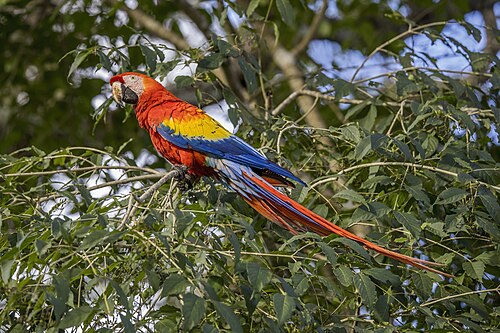
Birds are the only living animals on Earth covered in feathers! Over 10,000 species of birds—from tiny bee hummingbirds to ostriches and penguins—are warm-blooded vertebrates with toothless beaks, two scaly legs, and hard-shelled eggs.
An important word to know in this book is (noo-MAT-ik bohn). Pneumatic Bone means: A hollow bone filled with air spaces and criss-crossing struts that keeps a bird’s skeleton strong yet light. Learning about Pneumatic Bone helps us understand how Birds fits into Classification & Anatomy.
Key Features
To fly efficiently, birds have lightweight skeletons with hollow, air-filled (pneumatic) bones reinforced by internal struts. Flight feathers on their wings are asymmetrical to slice through the air, while fluffy down feathers trap warm air next to their skin.
Scientists and explorers also look closely at (PLOO-mij), which means: The complete covering of feathers on a bird’s body. These special traits make Birds easy to spot and study.
How It Works
Flapping flight requires enormous energy and oxygen. Birds have a one-way respiratory system with nine air sacs connected to their lungs, ensuring fresh oxygen flows through their lungs during both inhalation and exhalation.
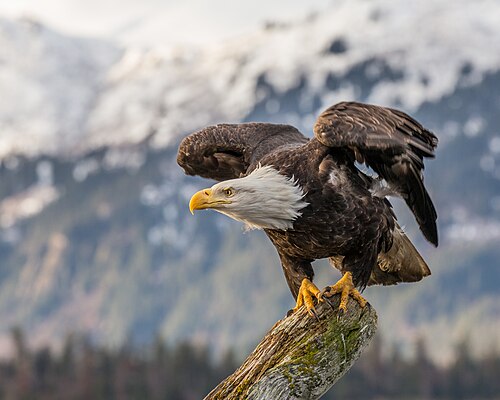
Here is another helpful term: (TAL-uhn). It means: A sharp, hooked claw on the foot of a bird of prey such as an eagle, hawk, or owl. Step by step, and Talon work together in nature.
In Our World
A bird’s beak and feet reveal how it lives: bald eagles have hooked talons and curved beaks for tearing fish, hummingbirds have needle-like bills for sipping flower nectar, and penguins use flipper-like wings to "fly" underwater.
Understanding how Birds works in our world also involves (PLOO-mij): The complete covering of feathers on a bird’s body. Even when surrounding conditions shift across seasons or regions, the interaction between , Plumage, and helps sustain balance and resilience in the wider environment.
Amazing Facts
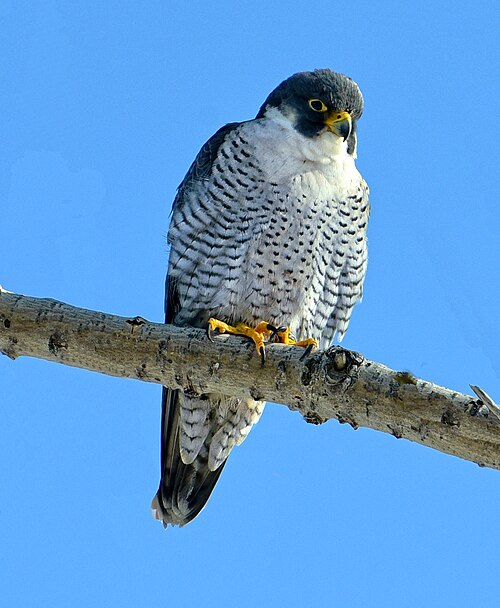
Amazing Fact #1: The peregrine falcon is the fastest animal on the planet, reaching diving speeds over 320 km/h (200 mph)!
Amazing Fact #2: A bee hummingbird weighs less than a dime, beats its wings 80 times per second, and is the only bird that can fly backward.
Amazing Fact #3: An ostrich cannot fly, but it can sprint at 70 km/h (43 mph) and its eye is bigger than its brain!
Read & Review
Let's review what we discovered about Birds! In this book, we explored how , , and connect to Classification & Anatomy.
Key Question #1: What makes a bird’s skeleton light enough for flight? Answer: Hollow pneumatic bones with internal strengthening struts and a toothless beak. Hollow bones and toothless keratin beaks drastically reduce body weight for flight.
Key Question #2: Which bird is the fastest animal on Earth during its hunting dive? Answer: Peregrine falcon. Peregrine falcons stoop (dive) through the sky at over 200 miles per hour.