Introduction
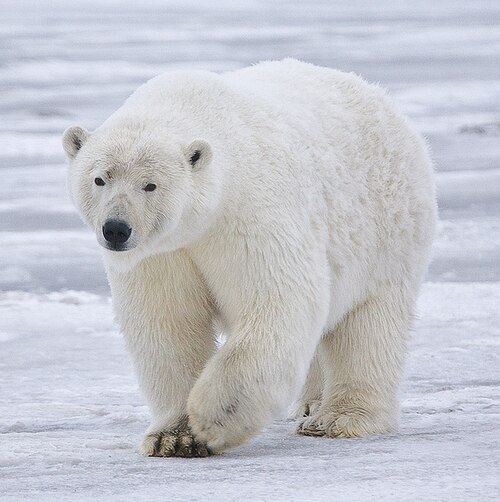
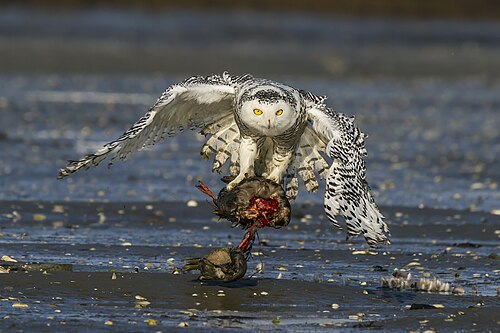
At the top of the world lies the Arctic —a treeless polar biome where winter temperatures plunge below -40°C (-40°F) and the ground beneath the surface remains frozen solid all year as . Polar bears, Arctic foxes, snowy owls, and caribou call this icy frontier home.
An important word to know in this book is (PUR-muh-frawst). Permafrost means: A thick subsurface layer of soil in polar regions that stays frozen throughout the entire year. Learning about Permafrost helps us understand how Arctic fits into Animal Habitats.
Key Features
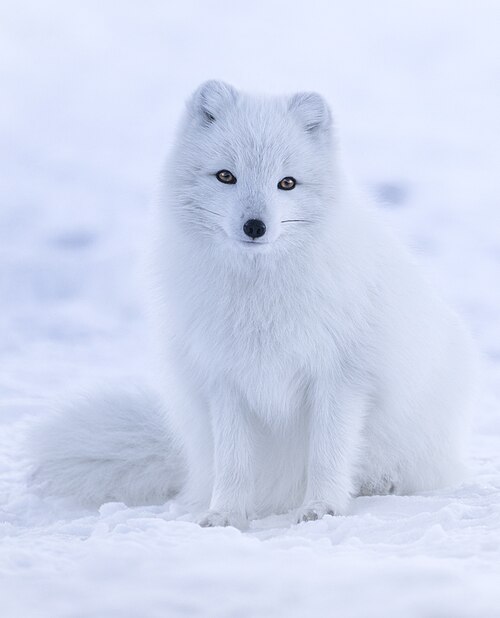
Arctic animals are master heat-savers. Polar bears have a 10-centimeter layer of insulating beneath black skin and two layers of translucent hollow guard hairs. Arctic foxes have short, rounded ears and muzzle to minimize heat loss.
Scientists and explorers also look closely at (BLUB-er), which means: A thick layer of vascular fat under the skin of marine mammals that insulates them in freezing water. These special traits make Arctic easy to spot and study.
How It Works
Many animals change color with the seasons. The Arctic fox and ptarmigan grow snow-white winter coats for camouflage in snow, then molt into brown-and-gray summer coats when the snow melts and wildflowers bloom during the brief Arctic summer.
Here is another helpful term: (TUN-druh). It means: A cold, treeless biome where low shrubs, mosses, and lichens grow over . Step by step, Permafrost and Tundra work together in nature.
In Our World
The Arctic circles the North Pole across northern Alaska, Canada, Greenland, Scandinavia, and Siberia. In summer, the "Land of the Midnight Sun" receives 24 hours of daylight, drawing millions of migratory birds.
Understanding how Arctic works in our world also involves (BLUB-er): A thick layer of vascular fat under the skin of marine mammals that insulates them in freezing water. Even when surrounding conditions shift across seasons or regions, the interaction between , Blubber, and Tundra helps sustain balance and resilience in the wider environment.
Amazing Facts
Amazing Fact #1: Underneath its white-looking fur, a polar bear’s skin is actually jet black so it can soak up warmth from the sun!
Amazing Fact #2: An Arctic fox does not start shivering until the temperature drops to an astonishing -70°C (-94°F).
Amazing Fact #3: Caribou have special concave hooves that act like snowshoes in winter and paddles for swimming across icy rivers in summer.
Read & Review
Let's review what we discovered about Arctic ! In this book, we explored how , , and Tundra connect to Animal Habitats.
Key Question #1: What color is a polar bear’s skin underneath its fur? Answer: Black. Black skin absorbs solar radiation efficiently to help keep the polar bear warm.
Key Question #2: Why can’t tall trees grow in the Arctic ? Answer: Deep roots cannot penetrate the frozen layer. Permafrost blocks deep root systems and keeps the growing season very short.