Introduction
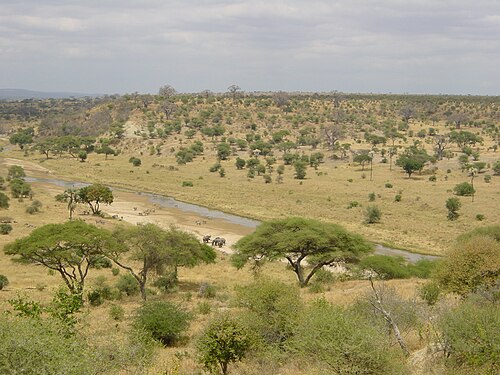
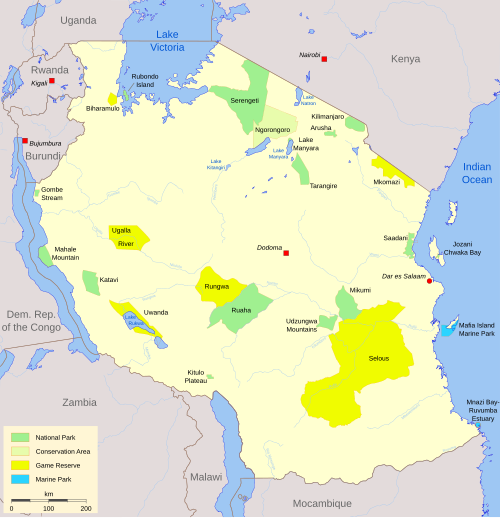
Stretching across nearly half of the African continent—including the famous Serengeti Plains of Tanzania and the Maasai Mara of Kenya—the African is a sun-drenched tropical grassland dotted with flat-topped umbrella thorn trees and ancient, barrel-trunked baobabs!
An important word to know in this book is (suh-VAN-uh). Savanna means: A warm tropical or subtropical grassland biome with scattered drought-resistant trees and distinct wet and dry seasons. Learning about Savanna helps us understand how The African Savanna: Life on the Endless Grasslands fits into 🌴 World Biomes: Savannas, Jungles & Rainforests.
Key Features
Unlike four-season temperate climates, the has two dramatic seasons driven by shifting tropical rain belts: a lush, green Wet Season (when monsoons fill rivers and grasses shoot up 2 meters tall) and a scorching, dusty Dry Season (when rivers shrink to muddy waterholes and lightning sparks natural brushfires). Savanna trees survive with deep taproots, fire-resistant bark, and water-storing trunks.
Scientists and explorers also look closely at (grayt my-GRAY-shuhn), which means: The annual 800-kilometer circular journey of over 1.5 million wildebeest and ratusan thousand zebras across the Serengeti-Mara ecosystem. These special traits make The African : Life on the Endless Grasslands easy to spot and study.
How It Works
How can dozens of different plant-eating mammal species (herbivores) graze side-by-side without running out of food? Ecologists call the secret "" and resource partitioning! Tall giraffes browse high treetops using 45-centimeter (18-inch) prehensile blue-black tongues that wrap right around sharp thorns; zebras clip the tough, fibrous top tips of tall grass; wildebeest eat the leafy middle layer exposed by the zebras; and tiny Thomson’s gazelles nibble the tender new shoots right at the ground!
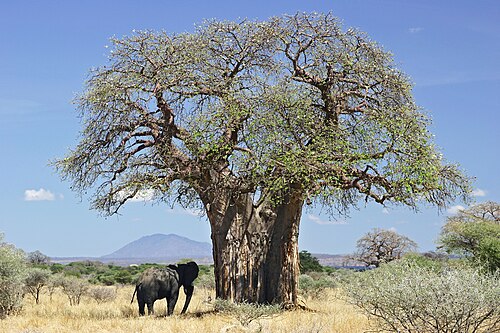
Here is another helpful term: (BAY-oh-bab). It means: An ancient African tree with a massive bottle-shaped trunk capable of storing tens of thousands of liters of water. Step by step, Savanna and Baobab work together in nature.
In Our World
Every year, chasing the rain and fresh green grass across 800 kilometers (500 miles) in a giant clockwise circle, more than 1.5 million wildebeest, 250,000 zebras, and 400,000 gazelles embark on the —the largest overland herd movement on planet Earth! Along the way, prides of lions, fast cheetahs, leopards, spotted hyenas, and giant Nile crocodiles at the Mara River keep the food web in dynamic balance.
Understanding how The African : Life on the Endless Grasslands works in our world also involves (grayt my-GRAY-shuhn): The annual 800-kilometer circular journey of over 1.5 million wildebeest and ratusan thousand zebras across the Serengeti-Mara ecosystem. Even when surrounding conditions shift across seasons or regions, the interaction between Savanna, Great Migration, and helps sustain balance and resilience in the wider environment.
Amazing Facts
Amazing Fact #1: An African tree ("Tree of Life") can live for over 2,000 years and store up to 120,000 liters (32,000 gallons) of water inside its swollen, spongy trunk during droughts!
Amazing Fact #2: Whistling thorn trees form a partnership with stinging ants: the tree grows hollow swollen thorns as little houses for the ants, and when a giraffe tries to eat the leaves, thousands of ants swarm out to sting the giraffe’s nose!
Amazing Fact #3: When wildfires sweep across dry grass, the growing buds of savanna grasses sit safely underground at the roots—so the fire actually fertilizes the soil with ash for fresh green sprouts!
Read & Review
Let's review what we discovered about The African : Life on the Endless Grasslands! In this book, we explored how Savanna, , and connect to 🌴 World Biomes: Savannas, Jungles & Rainforests.
Key Question #1: What are the two main seasons that shape all plant and animal life on the African ? Answer: A warm, rainy Wet Season and a long, drought-prone Dry Season. Alternating wet and dry seasons drive plant growth and trigger the across the savanna.
Key Question #2: How do zebras, wildebeest, and Thomson’s gazelles share the exact same grassland without starving each other ("")? Answer: Zebras eat the tough top grass stems, wildebeest eat the leafy middle layer, and gazelles nibble the tender bottom shoots. Each herbivore specializes in a different height and part of the grass plant, facilitating food for the next species in line.